




What is blackwater? A simple guide
Blackwater is contaminated wastewater from toilets, kitchen sinks, and dishwashers that contains human waste, food residue, grease, and harmful bacteria. Because it carries dangerous pathogens, blackwater must always be processed through a main sewer line or septic system before it can safely re-enter the environment. When drains overflow or plumbing is installed below street level, understanding how blackwater works is essential to keeping your home safe and choosing the right drainage setup.
Quick summary
This guide breaks down the key differences between blackwater and greywater, explains why blackwater can never be reused at home, and details when you need a sewage pump or pumping station to move wastewater uphill when gravity is not enough.
What is blackwater?
Blackwater is any wastewater from your home that contains biological waste, food residue, fats, or harmful bacteria. Because of the pathogens present in this water, blackwater poses a serious health risk and must be safely collected and processed through a main sewer line or a septic system.
In a typical home, blackwater comes from:
Toilets and bidets
Kitchen sinks and dishwashers (due to food particles, oils, and grease)
Waste disposal units
Utility room sinks used for heavy cleaning
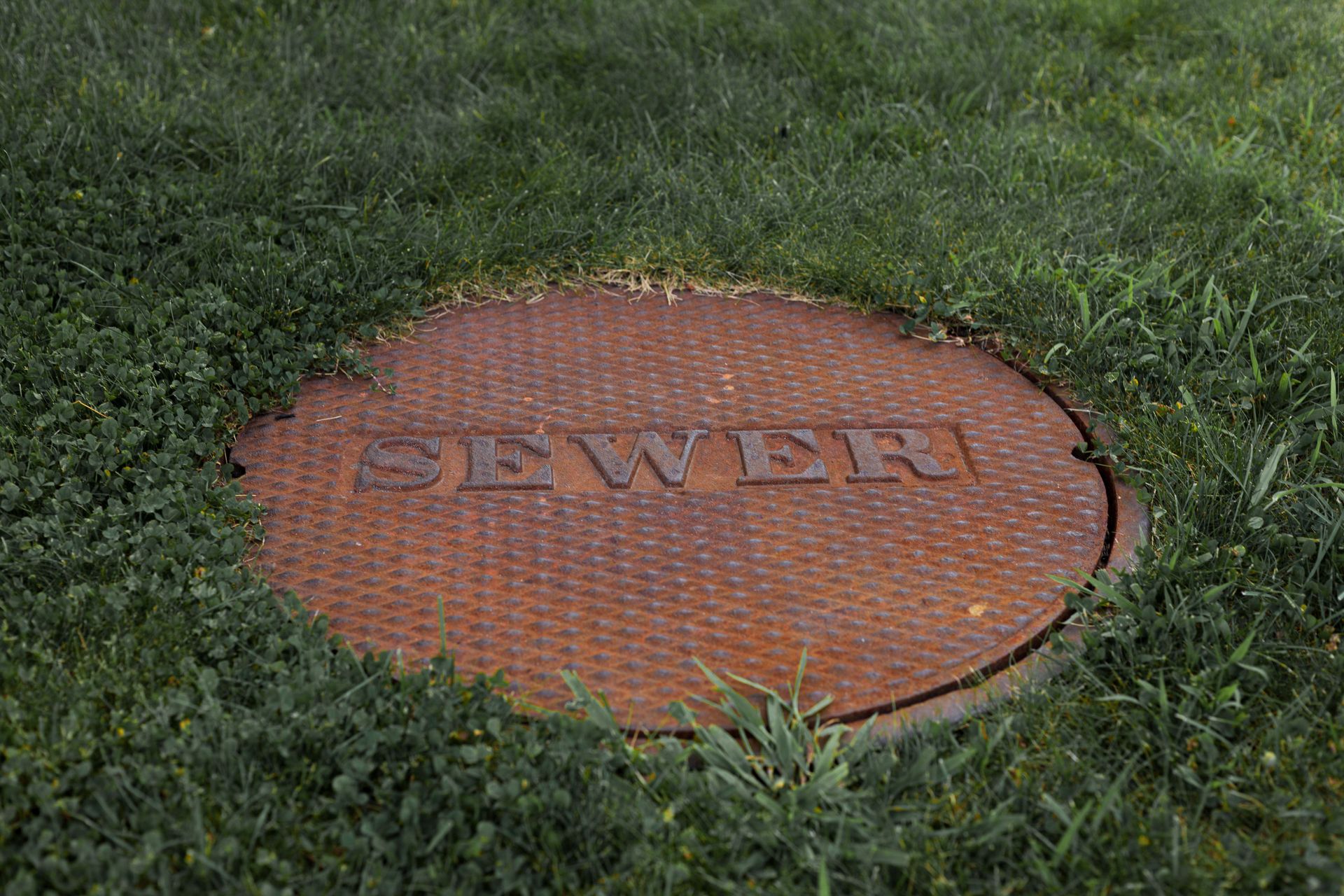
All household blackwater must be safely routed to the main sewer line for proper treatment. Image: Pexels.
How does blackwater differ from greywater?
The main difference comes down to contamination and health risks. Greywater comes from baths, showers, washing machines, and bathroom sinks. It contains soap, hair, and dirt, but very low levels of bacteria. Blackwater carries dangerous pathogens from human waste or decaying food particles that require full sewage treatment..
Greywater vs. blackwater: key differences
| Feature | Greywater | Blackwater |
|---|---|---|
| Main sources | Showers, baths, bathroom sinks, washing machines | Toilets, bidets, kitchen sinks, dishwashers |
| Contaminants | Soap scum, dirt, hair, lint | Human waste, toilet paper, food particles, grease, bacteria |
| Health risk | Low risk | High risk (biohazard) |
| Home reuse | Low Can be filtered for garden watering | None (must discharge to main sewer) |
| Mixing rule | Can be kept separate for recycling | Mixing with greywater converts all of it to blackwater |
Can you reuse blackwater at home?
While many homeowners safely reuse greywater for irrigation, blackwater is one of the few types of water in your home and garden that can never be reused untreated. Storing or spreading untreated blackwater creates severe health hazards, foul odours, and risks contaminating local topsoil and groundwater supplies.
The only safe way to handle blackwater as a homeowner is ensuring it is efficiently removed from your property and transported to a municipal sewage treatment facility.
How do you safely move blackwater out of your home?
In standard home plumbing, gravity naturally carries blackwater downhill through your pipes into the main street sewer. However, gravity isn't always enough. If you install plumbing below the level of the main sewer line, gravity cannot push the wastewater uphill.
This is where specialized wastewater equipment is required:
Sewage pumps: Heavy-duty submersible pumps designed specifically to handle solid waste, toilet paper, and dirty water without clogging. They sit inside a basin or tank and pump waste vertically up to the main sewer.
Sewage pumping stations: Complete underground tank systems that collect blackwater from your home's lower levels. Once the liquid reaches a certain height in the tank, the internal sewage pump turns on automatically to discharge the waste into the main sewer network.
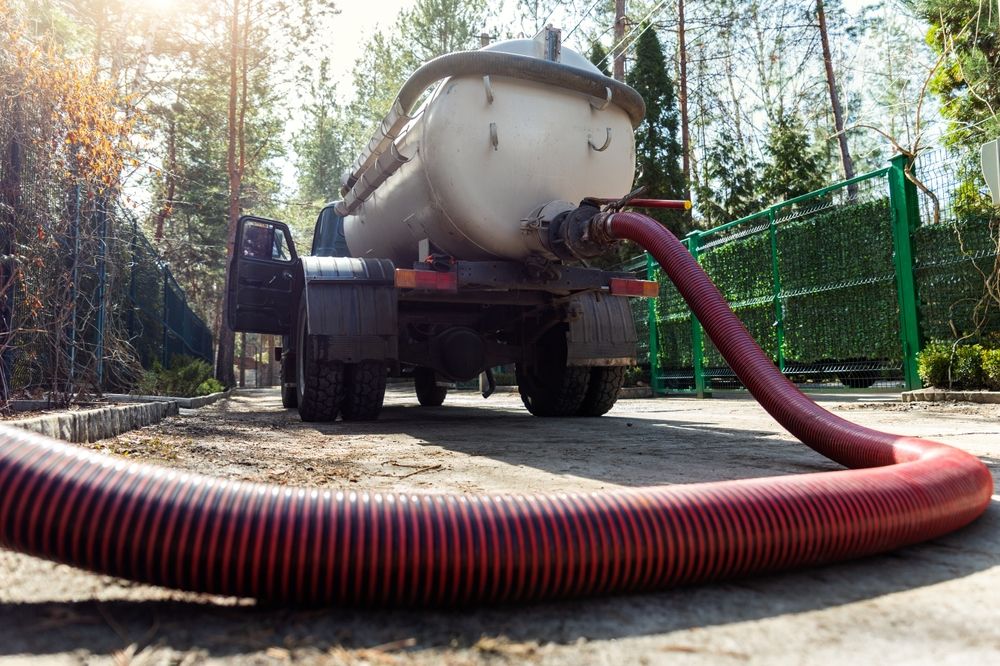
Regular suction maintenance keeps off-grid sewage tanks and septic systems running safely. Image: Shutterstock.
Do you need a sewage pump or sewage pumping station?
You will need a sewage pumping system if you are working on any of the following projects:
Basement conversions: Adding a bathroom, kitchen, or utility room below ground level.
Garden rooms and offices: Installing a toilet or sink in an outbuilding located far from or lower than your main house drains.
Low-lying extensions: Building on a section of your property where the main sewer pipe sits higher than your new drains.
Choosing between single and dual pump setups
Single-pump stations: Ideal for standard residential additions, such as a single basement toilet or an outdoor garden room.
Dual-pump stations: Recommended for whole-home systems or busy households. Dual systems use two pumps. If one pump ever encounters a heavy blockage or power fault, the second pump takes over automatically to protect your home from sewage backups.
Need help choosing the right sewage pump for your project?
Sizing your sewage pump correctly based on pipe distance, waste volume, and vertical lift is essential to prevent blockages and pump failure. If you are planning a renovation or need advice on choosing the right system for your property, explore our range of sewage pumps and pumping stations at Waterpump.co.uk or contact our customer service team for expert guidance.
Common questions about blackwater (FAQs)
Find quick answers to the questions people ask most about blackwater and sewage pumps.