





Need a water pump?
Find a pump with the selection tool recommended by our experts!
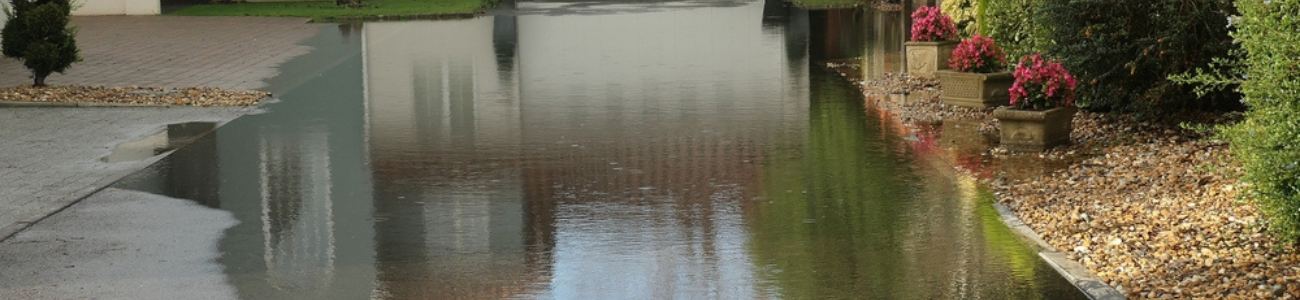
In the UK, it often rains — and without proper drainage, water from your roof, driveway, or patio can build up quickly. This extra water isn’t just annoying. It can cause serious problems like flooding or damage to your home. That’s why it’s critical to act fast. On this page, you’ll find simple tips and useful tools to help you manage surface water and keep your home safe and dry.
 Prevents water damage to your home
When dealing with surface water on your property, there are different systems you can use. Each one is designed for a specific job. Here are some of the most common options:
Why they’re a great choice for surface water drainage:
Dirty water pumps are your most versatile and robust solution for handling the realities of outdoor flooding. They are designed to tackle water that isn’t perfectly clean, featuring strong internal components that allow them to effectively manage common surface contaminants such as mud, grit, and small leaves without clogging. This makes them ideal for quickly clearing waterlogged gardens, flooded driveways, or basements where debris is likely present, preventing further damage and restoring your space.
Why they’re a great choice for surface water drainage:
For those frustrating, lingering shallow puddles on flat surfaces, puddle pumps are uniquely suited. These pumps can remove water down to incredibly low levels — often just a few millimetres — leaving patios, garage floors, flat roofs, or concrete paths almost dry. This reduces the amount of standing water, meaning you’ll have minimal, if any, residual water left to manage manually. Their ability to active and operate effectively with minimal standing water makes them perfect for preventing residual dampness, slippery surfaces, and the long-term damage that even shallow, persistent water can cause.
Why they’re a great choice for surface water drainage:
Sump pumps are a preventative solution for properties prone to water collection in specific, low-lying areas like basements or purpose-built outdoor sumps. Installed within a designated pit, these pumps operate automatically via a float switch. This means they’re always ready to kick in and pump away accumulated surface water as soon as it reaches a certain level, providing continuous protection against flooding and ensuring water is managed before it becomes a major problem.
To make sure your submersible pump works well and safely, it’s important to use the right accessories. These help move the water, protect your pump, and make drainage easier in your garden, driveway, or basement.
Here are some useful accessories for surface water drainage:
Strong discharge hoses: These hoses carry the water away from your home. Choose ones that are strong and can handle rough ground or longer distances. Make sure they have secure connectors and clamps.
Non-return valves: These stop the water from flowing back into the area once it’s been pumped out. This helps keep the space dry after the pump turns off.
Hose connectors: These parts help you connect your pump and hoses quickly and without leaks. They make it easier to set everything up and use the pump when needed.
Good surface water drainage is not just about convenience — it helps protect your home, garden, and safety. In the UK, where weather is typically wet and unpredictable, managing rainwater properly is very important. Here’s why:
It protects your home from damage: too much surface water can lead to damp, mould, or damage to your home. It can seep into the walls or foundations and harm your patio, driveway, or garden — which can be expensive to fix. To learn how to safely redirect rainwater from your roof, see our page on rainwater drainage.
It keeps your garden usable: if your garden doesn’t drain well, water can sit on the surface and damage your lawn and plants. It can make your garden muddy and hard to use. Good drainage keeps your outdoor space healthy. For more advice on improving your garden’s drainage, including soil tips and plant-friendly solutions, visit our garden drainage page.
It helps prevent safety risks: standing water can attract pests and make paths slippery. This increase the risk of slipping or falling.
It follows UK rules and avoids neighbour problems: there are rules in the UK about where rainwater can flow. If your drainage isn’t right, it can cause problems for your neighbours or even add to local flooding. Good drainage helps prevent that.
It adds value to your home: homes with good drainage don’t just look better — they’re also easier to maintain. If you ever decide to sell, a home without water damage is worth more and gives buyers more confidence.
To effectively manage rainwater and protect your home from excess surface water, consider these best key practices:
Check and maintain your property regularly: observe how water flows across your property during rainfall. Check for areas where water consistently pools, identify the soil you have, and ensure your garden slopes away from your home’s foundation. Keeping gutters and downpipes clean and directed away from the house is also essential for preventing immediate runoff issues.
Use your garden to help with drainage: your garden can do more than you think — it can do a good job at soaking up rainwater. By adding organic matter, like compost, or creating rain gardens or plant areas that let water slowly sink into the ground, this can help slow down and infiltrate runoff.
Consider permanent drainage systems: for significant surface water issues, it can be worth it to look into more permanent solutions. These solutions include French drains, soakaways, or linear drainage channels. You can also use special paving, which allows water to drain through rather than runoff.
Utilise submersible water pumps for quick help: If you’re dealing with a lot of collected water in a low-lying area (like a flooded patio or basement), a submersible water pump can help. These pumps are designed to sit directly in the water, drawing the water out and discharging it to a safe area. This can stop further damage.
There are many ways to manage surface water drainage. It depends on what works best for your home and how much effort you want to put in. Explore the different solutions below.
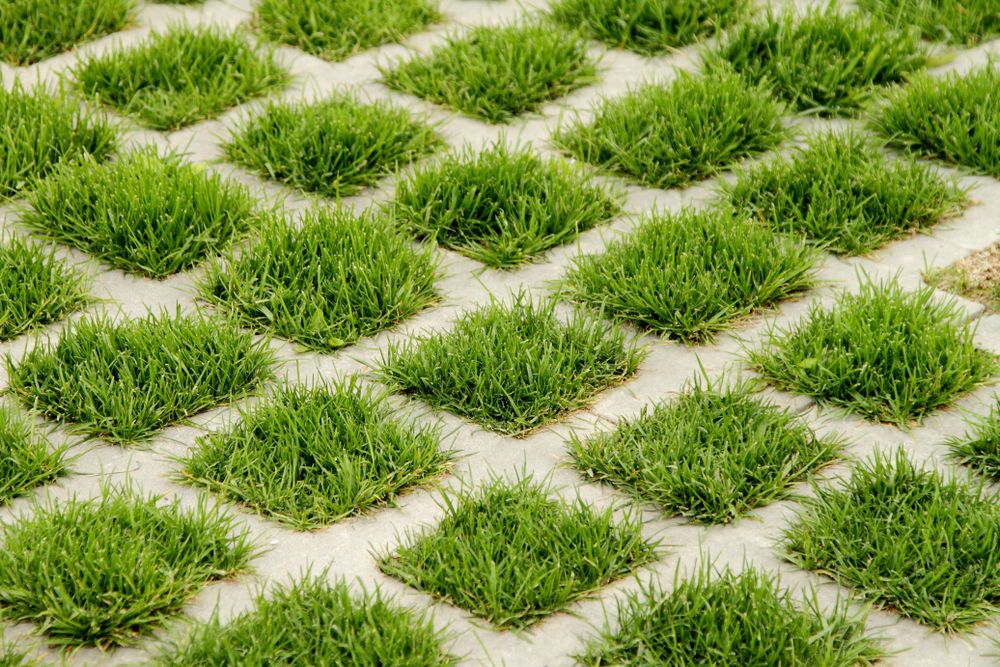
This solution focuses on encouraging rainwater to soak directly into your property's ground, reducing the amount that runs off. It involves enhancing natural soil permeability and integrating features like rain gardens or permeable paving to allow water to infiltrate slowly and safely.
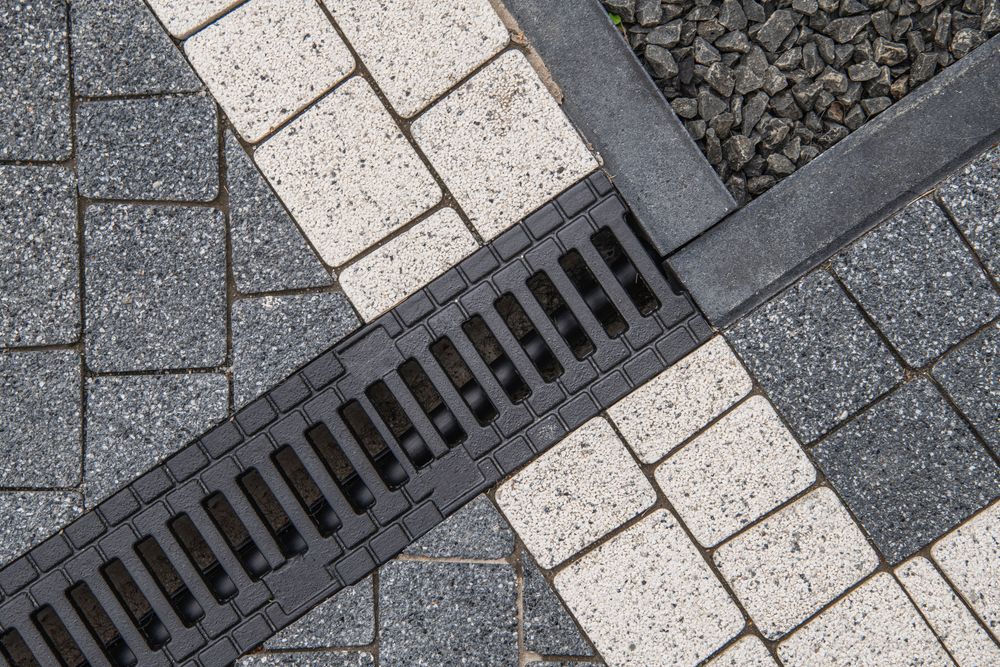
This approach manages water on hard, impermeable areas such as driveways, patios, and paths. Solutions here involve guiding and collecting water efficiently at the surface, preventing pooling and directing it away to a suitable discharge point before it can cause damage.
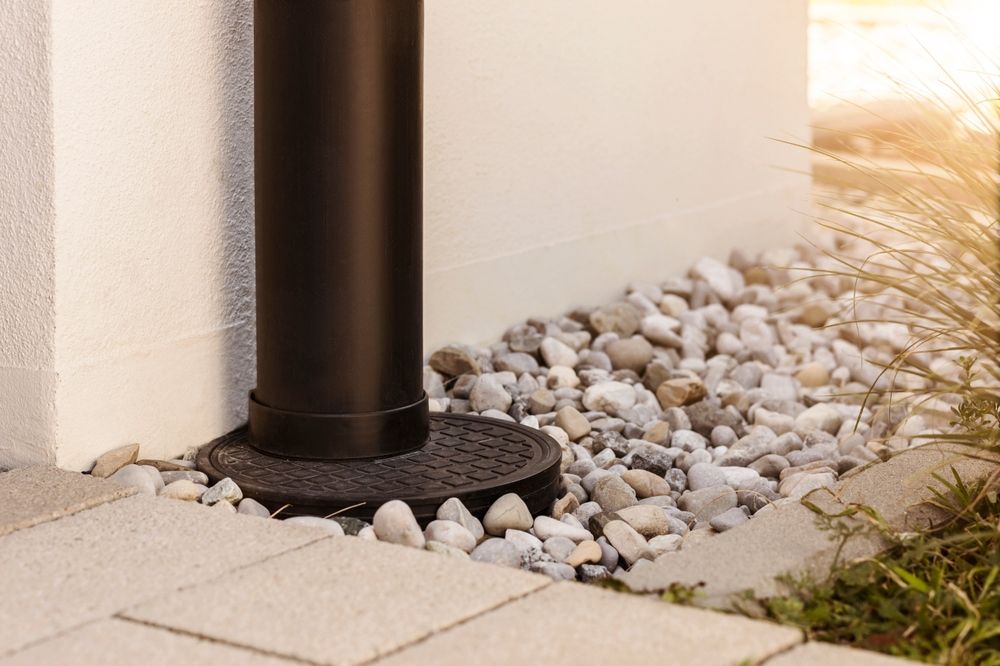
This solution targets water that has already penetrated the ground or groundwater that's causing issues like soggy lawns or damp foundations. It involves intercepting and diverting this underground water to dry out problematic areas and protect your property's structural integrity.

For situations where gravity drainage is insufficient or immediate water removal is essential (e.g., flooded basements, severe pooling). It involves using pumps to actively extract and move large volumes of water quickly to prevent or mitigate flood damage.
Submersible water pumps are great tools for quickly getting rid of excess water and helping to prevent flooding around your home. When choosing the right pump, think about the type of water you’re dealing with.


