





What is a non-return valve?
A non-return valve ensures that the water that runs through it cannot flow back. This is ideal in situations such as:
On the suction connection of a self-priming pump, like a garden or booster pump, when connecting to a drilled well. The non-return valve prevents water from flowing back, similar to covering a straw's hole with a finger.
On the delivery connection or drainpipe of a submersible pump, stopping drained water from returning.
Is a non-return valve the same as a check valve?
Yes, for all practical purposes, a non-return valve and a check valve are the same thing. The term "check valve" is commonly used in the plumbing and trade industry, while "non-return valve" is also widely used. You might also hear them called a "one-way valve" or "clack valve".
They all do the same job: a valve in the pipe opens to let water through in one direction and automatically closes to stop it from flowing back the other way.
How does a check valve work?
The mechanism is simple and reliable. When a pump pushes water through the pipe, the pressure of the water forces a gate or ball inside the valve to open. This allows the water to flow freely.
As soon as the pump stops, the flow ceases. Gravity or a spring then instantly pulls the gate or ball back into place, creating a seal that blocks the pipe. This prevents the column of water in the pipe from flowing back into the well, tank, or pump.
Choosing the right valve: the main types explained
The type of valve you need depends on your specific system. Here are the most common types and where to use them:
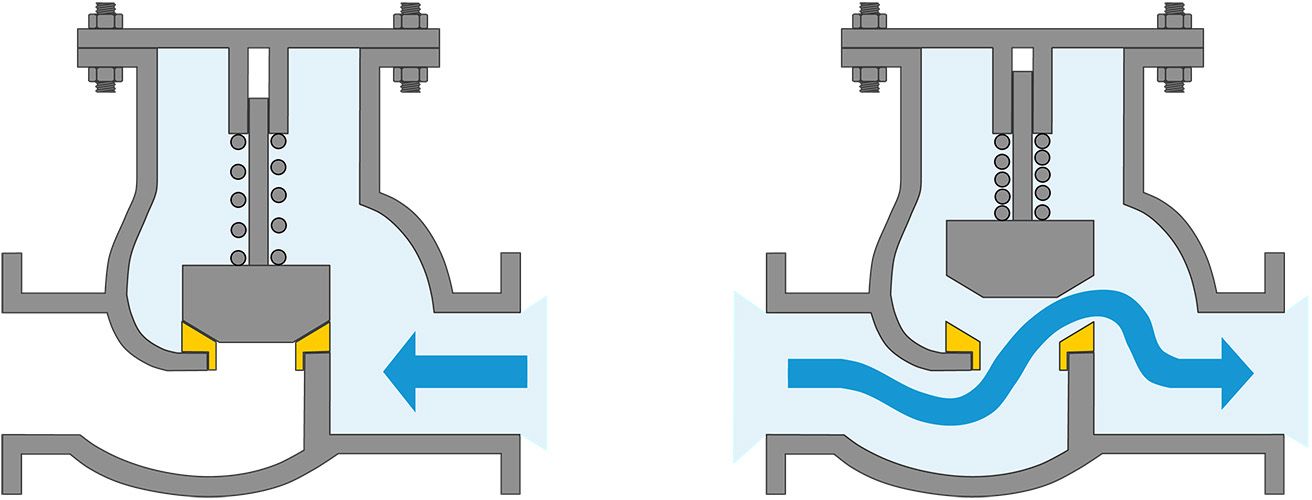
1. Spring-Loaded Check Valves
How it works: A spring holds a disc or poppet against a seal. Water pressure must be strong enough to push the spring and open the valve. It closes quickly and can be installed in any orientation (horizontal or vertical).
Best for: General purpose use, especially on the delivery (outlet) side of booster pumps and irrigation systems to prevent water hammer.
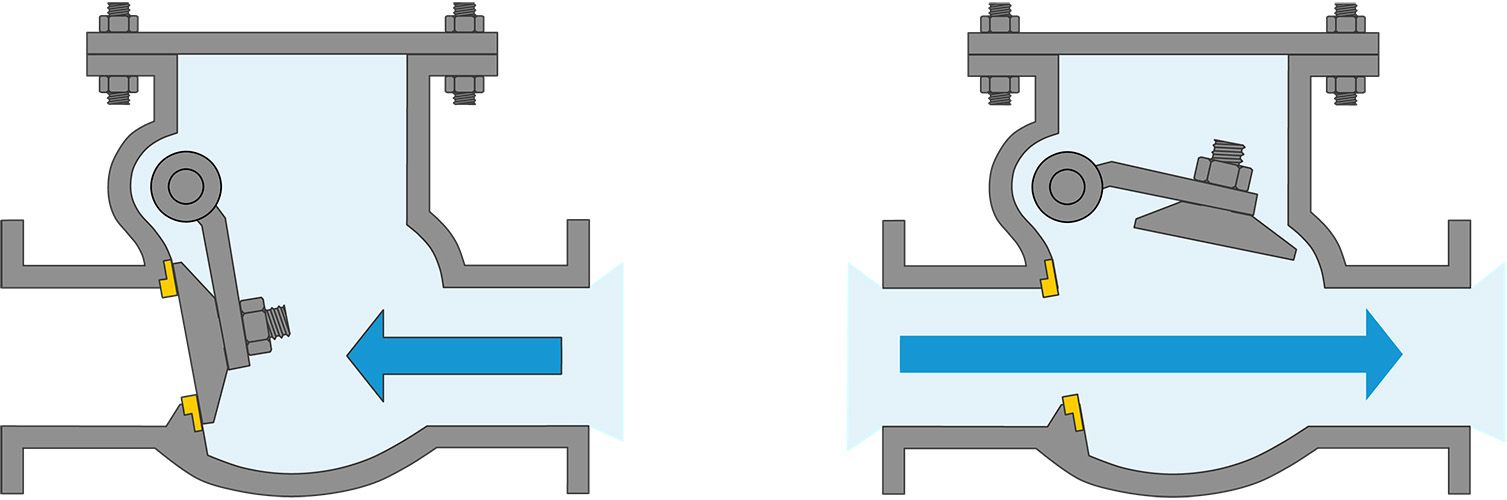
2. Swing check valves (or flap valves)
How it works: A hinged flap or gate inside the valve swings open with the flow of water and swings shut when the flow stops.
Best for: Situations where you need a full, unobstructed flow, common in large-diameter pipes for drainage and sewage.
3. Ball check valves
How it works: A simple design where a ball moves away from the seal to allow flow, and drops back into the seal to block backflow. Often seen in a 'Y' shape.
Best for: Drainage and wastewater applications, such as on a submersible pump, because they are less likely to clog with debris.
4. Foot valves
How it works: This is a type of check valve combined with a filter or strainer on the end. It sits at the bottom of the suction line in a well or tank.
Best for: The suction side of surface-mounted pumps (like garden or irrigation pumps) to keep the pump primed and prevent debris from entering.
Common applications: where do you need a check valve?

For suction pumps (garden and booster pumps)
A foot valve on the end of the suction hose is essential. It keeps water in the hose, meaning the pump stays 'primed' and ready to work instantly without needing to draw water all the way from the source each time.

For submersible pumps (sump and borehole pumps)
A check valve should be installed in the discharge pipe, usually just above the pump. This stops all the water in the pipe from flowing back down into the sump or well when the pump switches off, which would otherwise cause the pump to immediately restart (known as 'short cycling').

For central heating systems
Check valves are used to ensure water flows correctly through the heating circuit and doesn't feed back into the mains water supply, preventing contamination.
For flood prevention
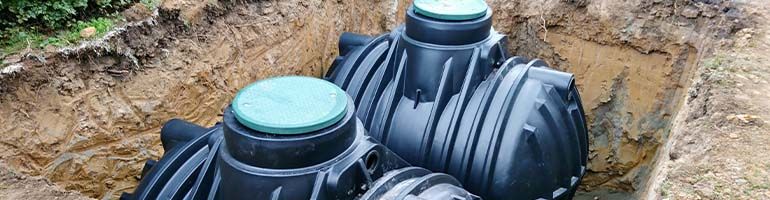
Specialised, heavy-duty non-return valves can be fitted to drainage pipes to prevent floodwater and sewage from backing up into a property.
Quality and Standards in the UK: WRAS Approval
When a valve is used for drinking water (potable water), it's crucial to look for WRAS Approval.
What is it? WRAS (Water Regulations Advisory Scheme) is a certification that proves a product complies with the strict water fittings regulations in the UK.
Why does it matter? A WRAS-approved valve is made from materials that will not contaminate drinking water. Using non-approved fittings for drinking water applications can be a safety risk and may not comply with local water authority rules.