





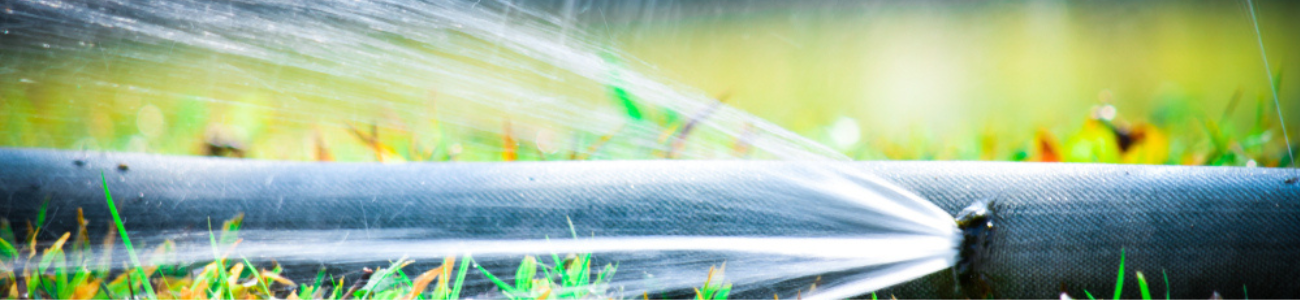


When to use a discharge hose
A discharge hose is the right choice whenever you need to pump water away from a location. Common uses include:
Draining flooded basements and cellars
Dewatering on construction sites
Agricultural irrigation and field drainage
Emptying swimming pools, ponds, and hot tubs
Which pump should you use with a discharge hose?
You can use a discharge hose with many types of pumps. This includes submersible pumps, garden pumps, booster pumps, and borehole pumps.
Once you connect the hose, the pump pushes water through it to where you need it. This could be for draining a flooded basement, emptying a pond, or watering your garden.
Layflat hoses: the ultimate space-saving solution
Our most popular type of discharge hose is the layflat model. Made from a highly flexible material, these hoses lie completely flat when not in use, taking up minimal storage space.
After the job is done, simply roll them up for easy transport and storage. They are the ideal choice for temporary or occasional use.
What is a discharge hose?
You’ve probably seen our discharge hoses mentioned on many of our pump category pages — and for good reason. A discharge hose is one of the most practical accessories you can get when working with water pumps.
Thanks to its flexibility and durability, a discharge hose makes water removal and redistribution quick and efficient, making it an essential part of any water management setup.
How to choose the right discharge hose
Selecting the right discharge hose is straightforward. The two key factors to consider are the diameter and the pressure rating. Getting these right ensures a perfect match for your pump and your task.
Getting the right fit: match the diameter to your pump
The hose diameter should match your pump's outlet port. A hose that is too small can restrict the flow and put a strain on the pump's motor, while one that is too large can reduce the water pressure. Always check your pump's specifications.
Our hoses are available in different diameters—25 mm (1"), 32 mm (1 ¼"), and 40 mm (1 ½"). They come in lengths from 7 to 100 metres.
Understanding the pressure rating
Ensure the hose's maximum pressure rating is higher than your pump's maximum delivery head (pressure). This guarantees the hose can safely handle the force of the water without bursting or leaking, even during demanding jobs.
How to use your hose safely and effectively
For the best results, lay the hose out as straight as possible, avoiding sharp bends that could cause kinks.
Use a sturdy hose clamp to secure the hose tightly to the pump's outlet, guaranteeing a safe and leak-free connection.
Need help choosing the right discharge hose?
We have hoses for every job—from garden irrigation to draining flooded areas. If you're not sure which one suits your setup, our friendly customer service team is happy to guide you.