





Need a water pump?
Find a pump with the selection tool recommended by our experts!
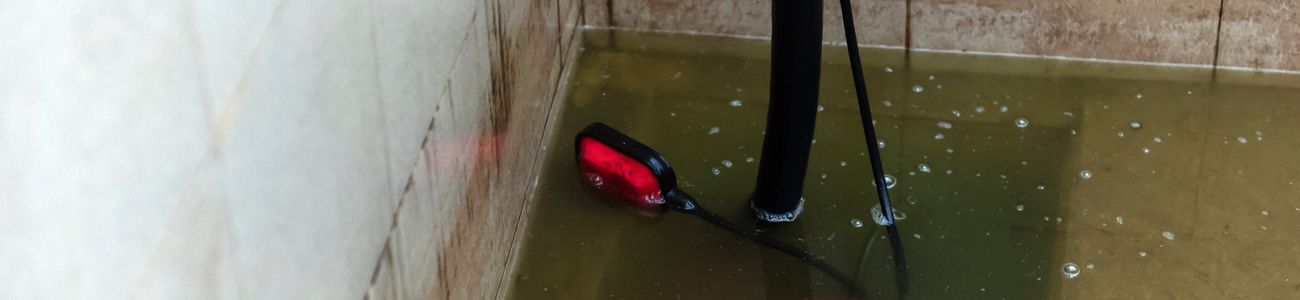
Nothing disrupts a home like unexpected wastewater. Foul water from toilets, sinks, showers, or washing machines can quickly turn into a messy and costly problem if not drained properly. From potential damage to hygiene concerns, managing wastewater is essential for your home’s safety. On this page, you’ll find the best drainage solutions to keep wastewater under control.
 Keeps your home clean and hygienic
When foul water is present in your home where it shouldn’t be, you need a practical way to get it under control. Submersible water pumps, like dirty water pumps and sewage pumps, are built to handle wastewater that contains solids and contaminants without clogging. While they’re frequently used as a temporary or emergency fix, they can quickly restore hygiene and comfort.
Need to remove contaminated water from flooding areas or drainage systems?
Dirty water pumps are versatile submersible pumps designed to handle tough wastewater jobs. Some models can even handle water containing faecal matter, making them suitable for more challenging situations. They’re ideal for:
Flooded basements or rooms: quickly removing water after heavy rain, blockages, or leaks.
Greywater: moving water from sinks, showers, or washing machines.
Debris-filled water: safely handling solids leaves, sand, or faecal matter.
With their powerful design, dirty water pumps can manage demanding drainage tanks and provide a dependable solution when wastewater removal is needed.
Need to manage wastewater from toilets or household appliances?
Sewage pumps are designed to handle tough wastewater containing solids and contaminants that typical pumps can’t manage. They’re built to keep your drainage and sewer system running properly.
Sewage pumps are ideal for:
Toilet waste: safely moving water containing faecal mater.
Appliance wastewater: including water from washing machines or dishwashers.
Flooded areas: where wastewater has backed up from drains or sewers.
Sewage pumps have a strong impeller. This helps them handle solids without clogging. They are reliable for both regular drainage and emergency situations.
Using the right accessories ensures your dirty water or sewage pump works well. They help transport wastewater, protect your pump, and make drainage easier in basements, utility rooms, or areas affected by backups.
Useful accessories for foul water drainage include:
Heavy-duty discharge hoses: Carry contaminated water away safely. For foul water, hoses should be strong, flexible, and resistant to solids and chemicals. Secure connectors help prevent leaks.
Non-return valves: Prevent wastewater from flowing back into the area after pumping, keeping the space sanitary.
Hose connectors and clamps: Make connections quick, secure, and leak-free, simplifying setup and operation.
Looking for more accessories for your submersible pump? Visit our accessories page and find the items that match your pump model to make drainage easier.
Foul water drainage might not be the most exciting home topic, but it is a critical part for keeping your home comfortable and safe. It’s all about properly removing wastewater from your toilets, sinks, and appliances. So, why is this so crucial for your home?
Keeps you healthy: A proper drainage system stops harmful waste and bacteria from flowing back into your home. This helps protect you and others from illness and keeps your living spaces clean.
Stops bad smells: Foul water can create unpleasant odours. An efficient drainage system removed this waste promptly, stopping bad smells before they start.
Protects the environment: When foul water is sent to the correct treatment facilities, it stops harmful substances from entering rivers, lakes, and local wildlife habitats.
Prevents costly damage: Leaks or overflows can harm your floors, walls, and your home’s foundation. Keeping your drainage in good condition is a simple way to save on expensive repairs.
Maintains your home’s strength: Blockages and leaks can slowly weaken the structure of your property. Good drainage helps maintain the long-term stability and value of your home.
Know the difference between foul and surface water: Foul water from toilets, sinks, and appliances must go to the public sewer for treatment, while rainwater should slow to a separate drain or soakaway. Mixing these systems can lead to flooding, pollution — and it’s against the law. You can read more about this on our surface water drainage page.
Be mindful of what you flush or pour: Even small items or substances can cause big problems in your drainage system. Wet wipes, sanitary products, cotton buds, and leftover food can all block pipes, while fats, oils, and grease can harden and build up over time. Disposing of these in the bin instead helps keep your drain clear and your system running smoothly.
Consider a pump for tricky drainage solutions: If your property sits below the main sewer line, or you want extra protection against backflow and flooding, a pump can be an essential solution. For foul water, our submersible pumps — including dirty water and sewage pumps — are designed to handle wastewater.
Have you ever wondered how wastewater from your home safely leaves the building? That's the job of a foul water drainage system. The best solution for you depends on your property's location and whether it's connected to the main sewer. All systems have the same important goal, but they work in different ways. Below, we outline the most common types of drainage and how each one operates.
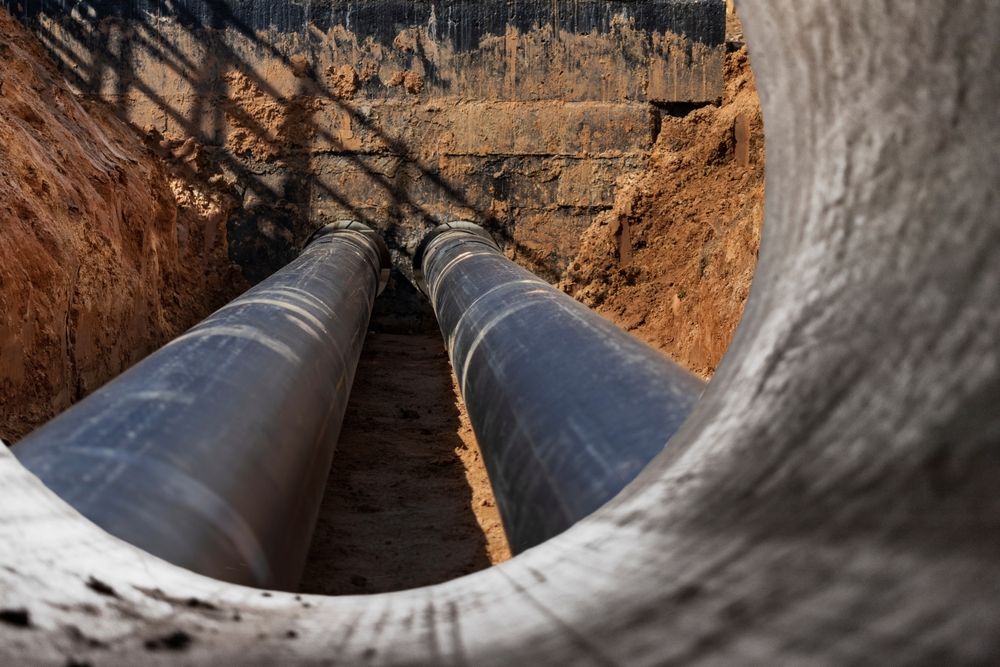
The most common foul water drainage system in urban and suburban areas. Your home’s drains connect directly to a public sewer, which transports the wastewater for treatment by the local water authority.

They are an on-site solution for properties that are not connected to mains sewer. Wastewater flows into a septic tank where solids settle and liquids discharge to a soakaway or drainage field.

These are more advance on-site systems for homes without a main sewer connection. They use a modern process to treat wastewater, making the final discharged water more environmentally friendly.
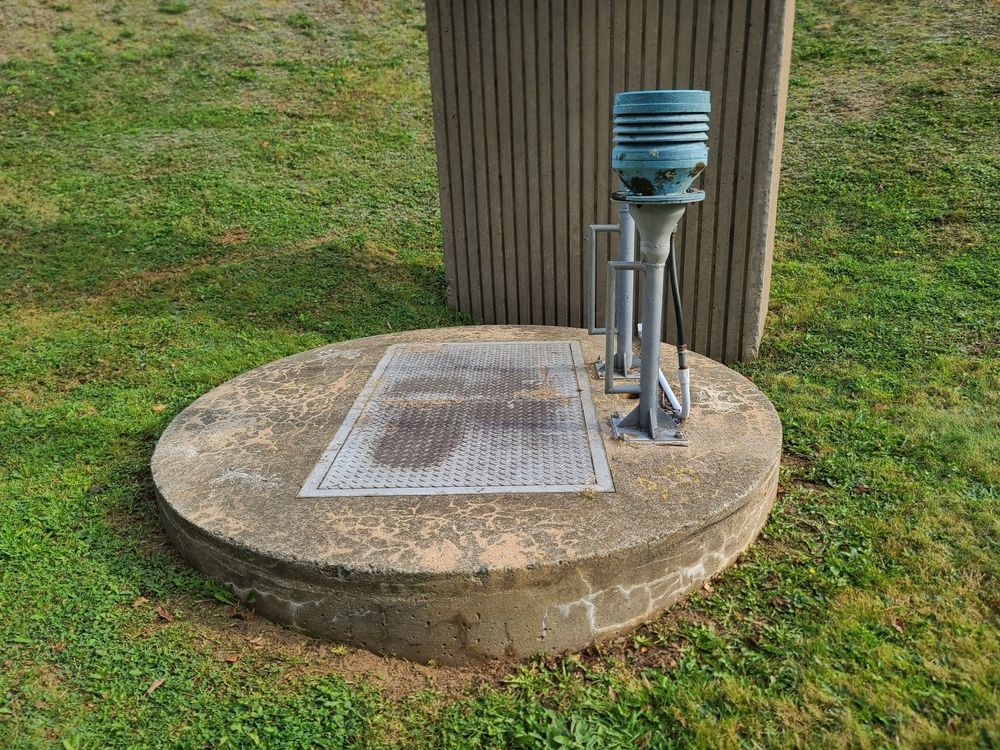
These systems help remove foul water from your property when it can’t flow away naturally. The pump moves the wastewater from a lower area up to the main sewer or septic tank at a higher level, helping to prevent backflow and flooding.
Choosing the right system to manage foul water for your home doesn’t have to be difficult. The best solution depends on a few key factors about your property. Use the questions below to help guide you.


