




How long does underfloor heating take to warm up?
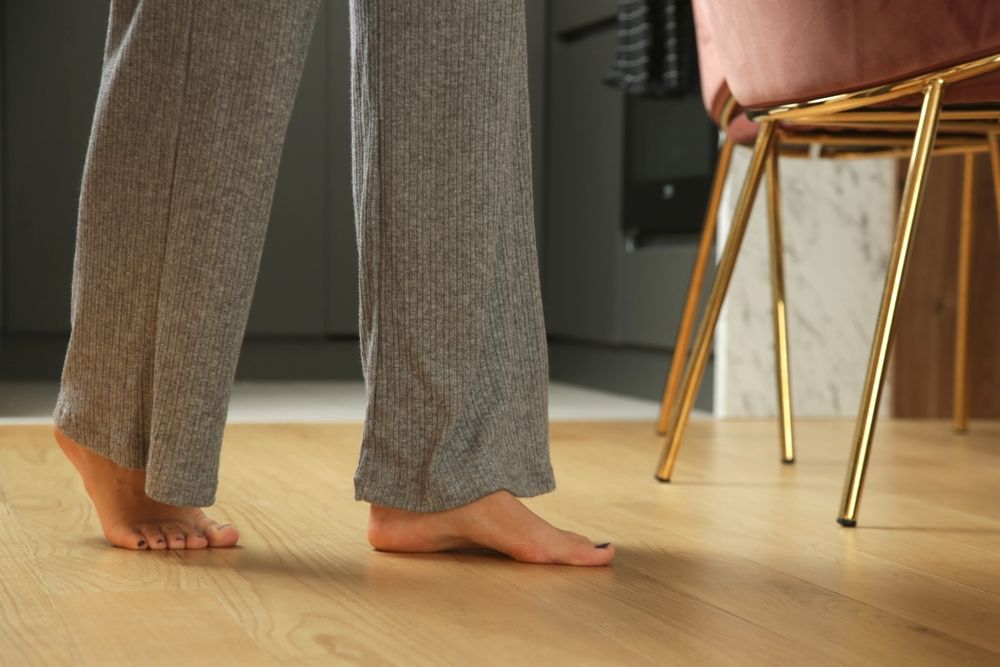
Stepping onto a cold floor in the morning is nobody's favourite start to the day. Underfloor heating fixes that, but it needs a little time to work its magic. Instead of blasting instant heat like a radiator, it warms the floor first. Then it releases that warmth slowly into the room. Give it a bit of patience, and you'll have cosy, even heat for hours.
Quick summary
Electric systems usually warm up in 30 minutes to 1 hour. Water-based systems take longer, from 1 to 4 hours. The very first time you use either system, expect a longer wait, up to 24 hours. Solid floors like screed and tiles hold heat well, while thick carpets slow things down.
What is underfloor heating warm-up time?
Warm-up time is how long your underfloor heating needs before a room feels comfortably warm. Think of it like a storage heater rather than a radiator. A radiator heats the air almost instantly. Underfloor heating warms the floor first, then releases that heat slowly into the room. You control this through a wall thermostat or an app, just like a radiator system.
| System type | Typical warm-up time |
|---|---|
| Electric (mats/cables) | 30 minutes – 1 hour |
| Water-based (hydronic) | 1 – 4 hours |
| First use (either system) | Up to 24 hours |
Electric systems heat up faster because the cables sit right beneath the floor surface. Water-based systems take longer, since the water has to circulate and warm the screed first.
Turning on underfloor heating for the first time
The first time you turn on underfloor heating, go slowly. This avoids shocking new flooring or a newly laid screed. If you've just installed underfloor heating, check the screed is fully dry first. Heating it too soon can cause cracking. Use your thermostat to raise the temperature by a few degrees each day. Avoid jumping straight to full power. Timber floors need this the most, as sudden heat can cause warping. Tiles and stone cope better, but a slow start still helps the system settle in.
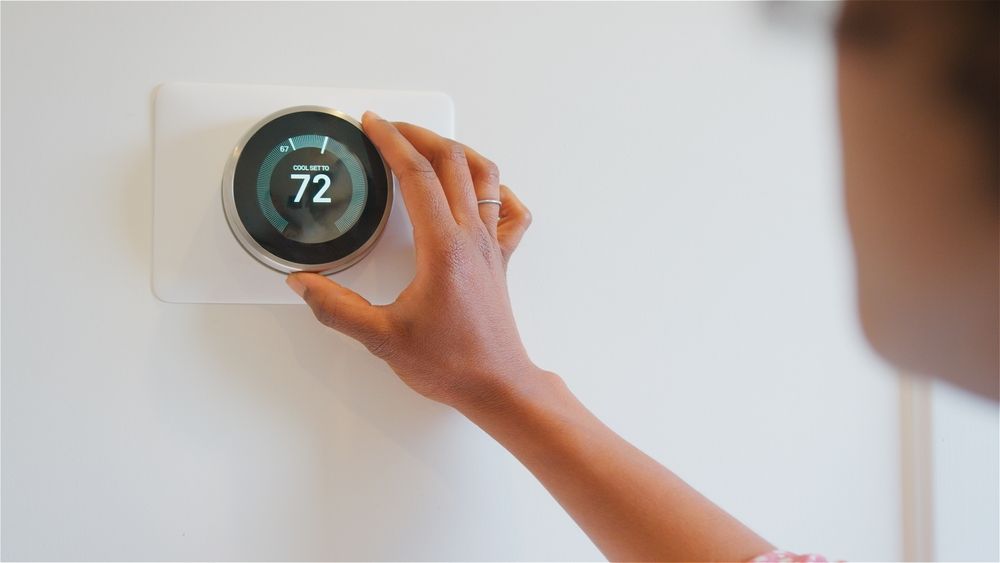
A thermostat lets you control how quickly your underfloor heating warms up.. Image: Shutterstock.com
Why does underfloor heating take so long to warm up?
Several factors decide how fast your room warms up.
Floor covering: Screed and tiles hold heat well and release it slowly. Thick carpets and rugs trap warmth underneath and slow the room down.
Insulation: Good insulation under the pipes pushes heat up into the room. Poor insulation lets heat escape into the floor below and wastes energy.
System type: Electric mats heat up fast because they warm directly. Water-based systems need time to circulate and warm the screed first.
Starting room temperature: A cold room takes longer to reach a comfortable feel. The colder the room starts, the longer the wait, even with a well-set-up system.
Pump power: A weak or worn circulator pump moves water slowly through the pipes. This stretches out your wait and wastes energy.
For example, a well-insulated room with tiled floors and a strong pump can warm up in under an hour.
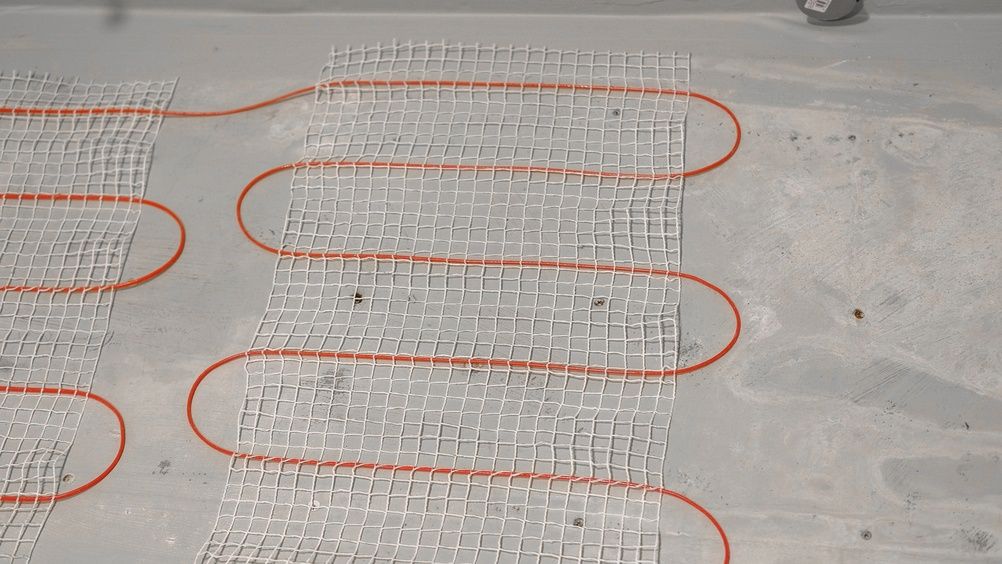
Electric heating mats sit close to the floor surface, which is why they warm up faster than water-based systems. Image: Shutterstock.
How can you tell if something is wrong?
A little patience is normal, but some signs point to a real problem.
Room stays cold: It still feels cold after 3 to 4 hours.
Uneven heat: Some areas warm up while others stay cold.
Slower than before: Warm-up time has increased compared to last winter.
Any of these usually points to one of a few common causes.
Trapped air: Air pockets in the pipes block even heat flow.
Thermostat set too low: This limits how warm the system can get.
Weak or noisy pump: A struggling pump moves water more slowly.
Blocked pipe: This restricts flow to part of the system.
Check these first before assuming something bigger is wrong.
How can you speed up warm-up time?
Start with a few simple checks.
Bleed the pipes: Release any trapped air from the system.
Adjust the thermostat: Raise the setting slightly if needed.
Clear the floor: Avoid covering it with thick rugs.
Keep a steady schedule: Run your heating consistently rather than switching it on and off.
This keeps rooms warmer with less waiting each time. If your pump is old or undersized, consider upgrading it. A reliable circulation pump improves water flow and cuts warm-up time. This is especially useful in larger homes that need steady, efficient heat all day.
Ready for a warmer home, faster?
Warm-up time is normal, and now you know what affects it. If your system feels sluggish, start with our simple checks above. Still have questions or doubts about underfloor heating warm-up times, or about our range of circulator pumps? Contact our customer service team, we're happy to help.