




Standing water in your garden: what causes it and how to fix it
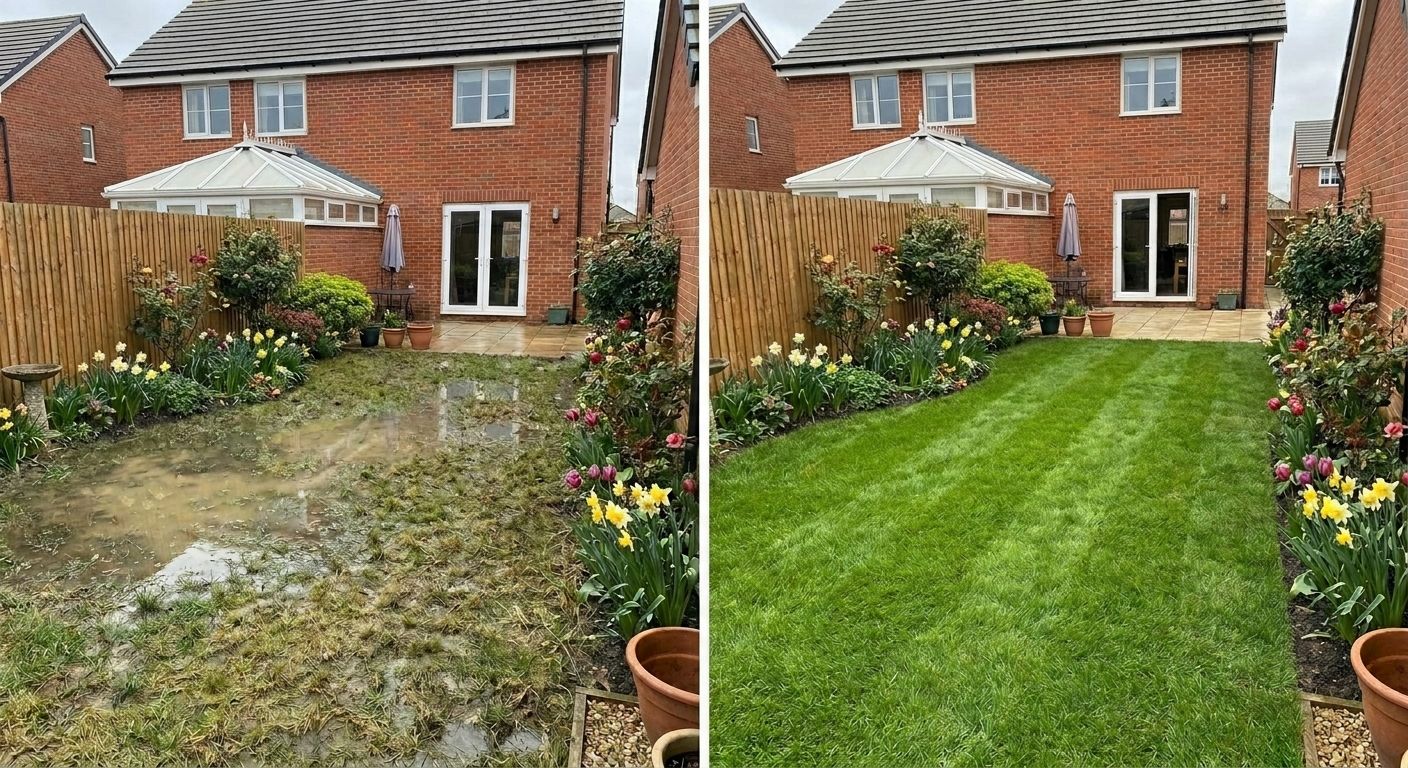
After a wet spring or a sudden summer downpour, many gardens end up with water sitting on the surface for days. It is frustrating, and it can cause real damage if you leave it too long. This guide explains what standing water is, why it happens, and how to fix it.
Quick summary
Standing water occurs when your garden soil cannot drain rainwater fast enough. It is most common in spring and summer, and it can cause serious damage to your lawn, plants, and soil structure. The longer it sits, the worse the damage gets. Solutions range from quick fixes like aerating your lawn to longer-term improvements such as installing drainage or collecting rainwater with a water butt.
What is standing water in a garden?
Standing water occurs when water collects on the surface of your garden and cannot drain away. You may also hear it called waterlogging or water pooling. It is a form of surface water, which is any water that collects on the ground rather than soaking into the soil.
When soil becomes saturated, water fills the spaces between soil particles and pushes out the air. Plant roots need that air to survive. Without oxygen, they cannot function properly and begin to break down. A brief puddle after a heavy shower is usually harmless. Water that sits for several days, however, can cause serious damage.
What causes standing water?
Standing water is not always caused by heavy rain alone. In many cases, the rain simply reveals a drainage problem that was already there.
Common causes include:
Compacted soil: Hard, dense ground stops water from soaking in. This happens when soil is walked on repeatedly over time, leaving it too dense to absorb rainfall effectively.
Clay-heavy soil: Clay holds water rather than draining it. Because clay particles are so fine and tightly packed, water has nowhere to go and sits on the surface instead.
Low-lying areas: Areas of your garden that sit lower than the rest will naturally collect water after rainfall. The water drains towards these spots and builds up faster than the soil can absorb it.
Hard surfaces: Patios, driveways, and paths stop water from soaking into the ground. Instead of being absorbed, rainwater runs off these surfaces and collects on nearby soil and grass.
Blocked or poor drainage: When drains are clogged or poorly installed, water cannot move away from your garden quickly enough. Even a small blockage can cause significant pooling after heavy rainfall.
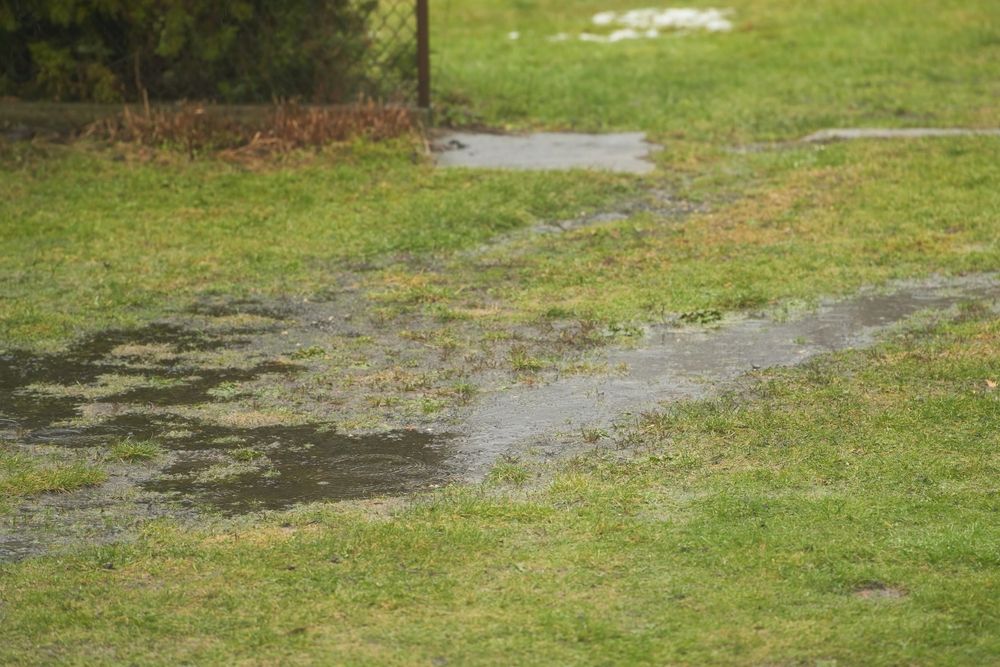
Standing water on a lawn is often a sign of compacted soil or poor drainage underneath the surface. Image: Shutterstock.
What damage can standing water cause?
The longer water sits, the more harm it does. Here is what to watch for:
Grass dies quickly: Roots sitting in waterlogged soil run out of oxygen within days.
Plants and shrubs rot: Root rot sets in fast, especially in summer when plants are actively growing.
Paths and patios become slippery: This is a safety risk for children and older family members.
Pests and mosquitoes breed: Stagnant water is an ideal environment for insects.
Soil structure breaks down: This makes future drainage even worse over time.
What are the solutions for standing water?
There is no single fix that works for every garden. The right approach depends on how severe the problem is and how often it happens.
Aerate your lawn
Aerating a compacted lawn helps water soak into the soil rather than pool on the surface. Use a garden fork or hollow-tine aerator to make holes across the surface. This breaks up the dense layer and helps water soak in rather than sit on top. It works well as a preventative step and for mild cases of pooling.
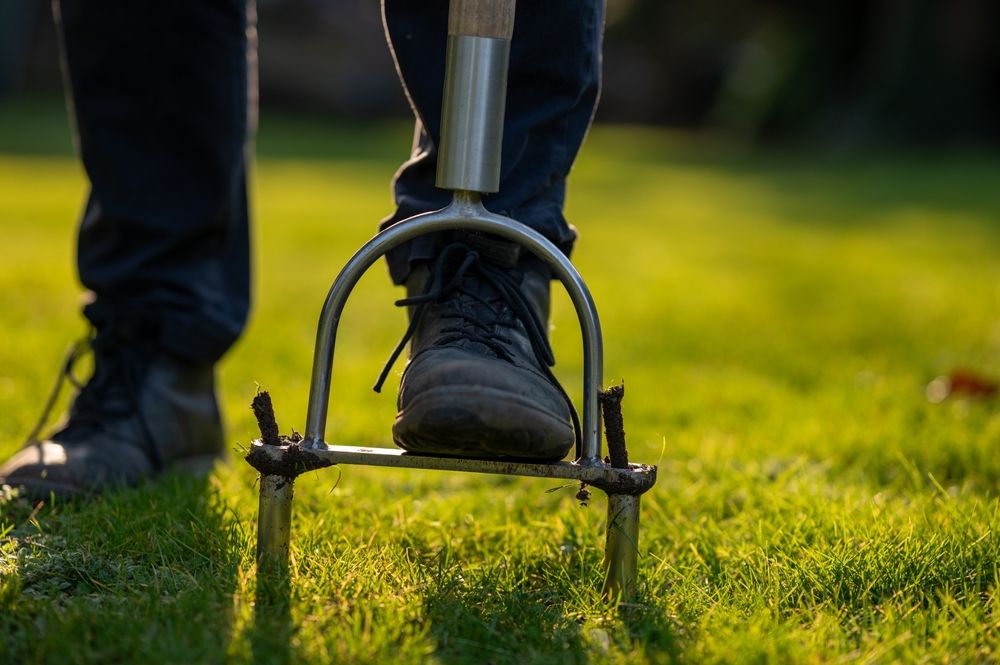
Aerating your lawn with a hand aerator or garden fork helps break up compacted soil and improve drainage. Image: Shutterstock.
Improve your soil
Adding organic matter like compost or sharp sand to heavy clay soil helps it drain more freely over time. This is a longer-term fix, but it improves the structure of your garden for years to come.
Install drainage
For gardens that flood repeatedly in the same spot, garden drainage is worth considering. This redirects water away from the problem area. It requires some digging, but it is a lasting solution for serious cases.
Collect the rainwater
A water butt is a simple way to reduce the amount of rainwater running off your roof before it adds to the problem. Rainwater harvesting for your garden captures water that would otherwise saturate your soil and cause pooling, providing a free supply of water during drier months. There are also many benefits of rainwater harvesting, such as lowering the risk of standing water in your garden by capturing rainfall before it hits the ground.
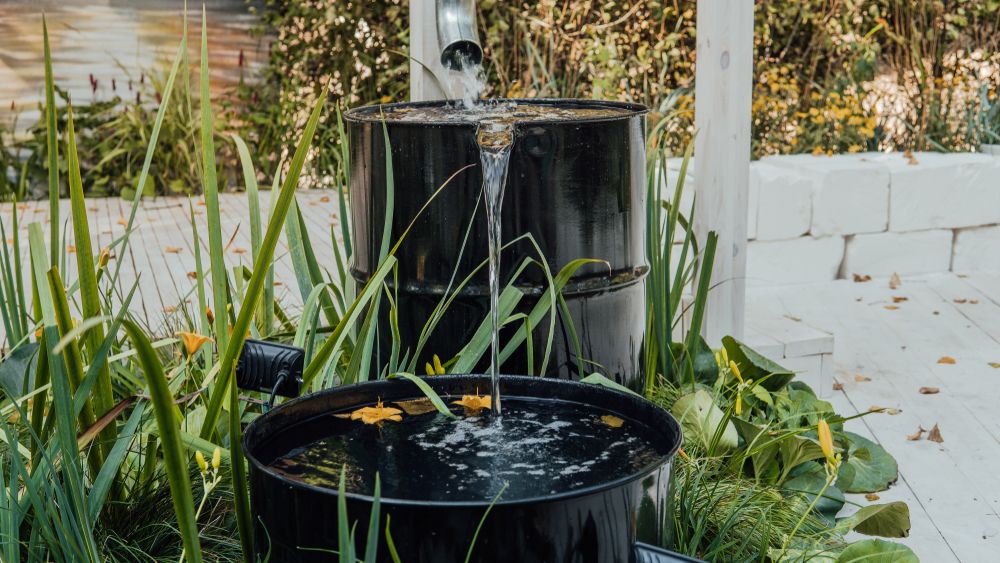
Collecting rainwater before it hits the ground is one of the simplest ways to reduce water pooling in your garden. Image: Shutterstock.
Remove the water quickly
When water is pooling, and you need it gone fast, a submersible pump is the most effective option. You place it directly in the water, and it pumps the water away to a drain, a lower part of your garden, or a water butt. Make sure you have a discharge hose long enough to reach your nearest drain. Most pumps clear a waterlogged area within a few hours.
Find the right submersible pump for your garden
How do you stop standing water from coming back?
Some steps help reduce the risk of standing water returning each year:
Keep drains and gutters clear of leaves and debris. Blocked drains are one of the most common causes of water pooling. A quick clear-out before autumn and winter can prevent a lot of problems.
Avoid walking on waterlogged soil. Wet soil compacts easily underfoot, which makes drainage worse over time. Stay off the lawn until it has dried out.
Use permeable surfaces for paths and driveways where possible. Unlike concrete or tarmac, permeable surfaces allow rainwater to soak into the ground rather than run off onto your lawn and borders.
Plant trees and shrubs that absorb large amounts of water. Deep-rooted plants help draw moisture out of the soil naturally. According to the RHS, some of the best plants for waterlogged conditions include dogwood, hydrangea, and Siberian iris.
No garden is completely immune to heavy rainfall. But with the right drainage solutions and preparation, you can significantly reduce the impact.
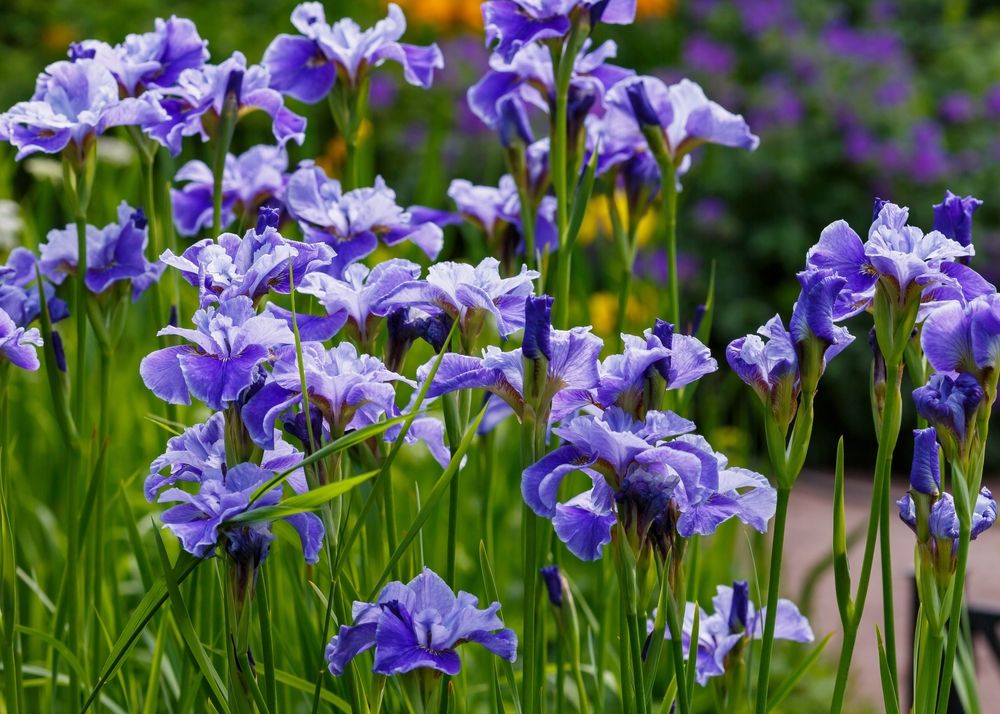
Choosing plants like Siberian iris that thrive in moist soil can help reduce the risk of standing water returning to your garden. Image: Shutterstock.
Ready to tackle your waterlogged garden?
Standing water can cause serious damage to your lawn, plants, and soil. From aerating your lawn to using a submersible pump, there are several ways to clear it quickly and prevent it from coming back. Have any questions? Our customer service team is happy to help you find the right solution for your garden.