




Why is my gas bill so high? Common causes and fixes
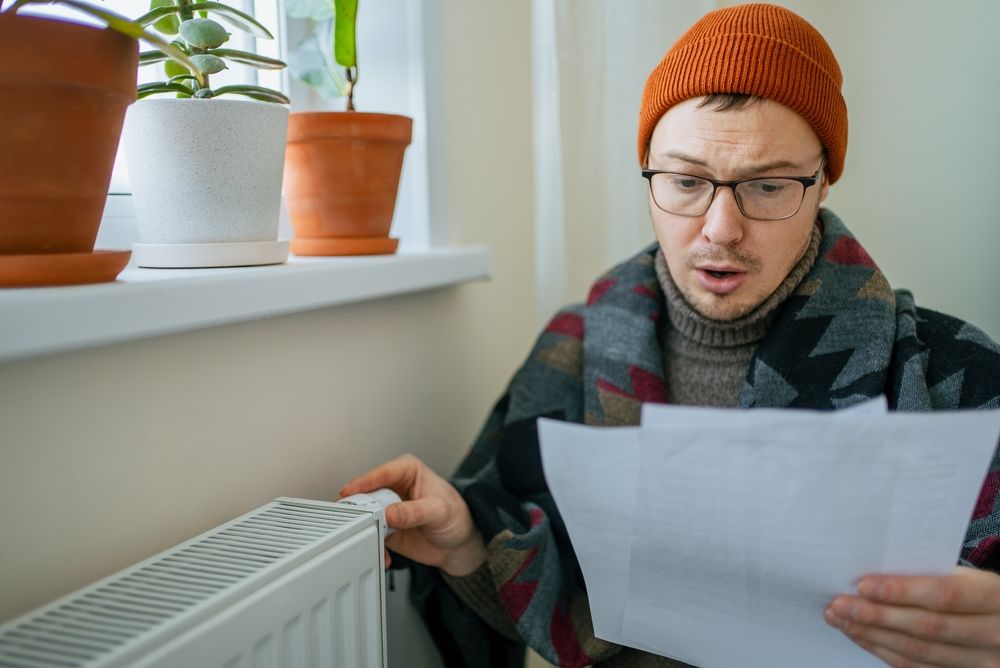
Using your heating the same way as last winter but paying far more for it? That gap between your habits and your costs is what makes a high gas bill so frustrating. Below, we cover the most common reasons for a high gas bill, the free changes to make first and the pumps and upgrades that keep it down for good. By the end, you’ll know exactly where to start.
Quick summary
A high gas bill usually comes down to three things: higher prices, colder weather and a heating system that wastes heat. Common culprits are a boiler set too hot, sludge in the radiators and a worn circulator pump. Start by comparing your kWh with last year, then turn your boiler’s flow temperature down to 60°C. For lasting savings, clean your system and fit a pump that suits it.
Why is my gas bill so high?
Most rises come down to price, the weather or how well your heating works. These are the six causes to check first:
1. Gas prices have risen
The energy price cap, set by the regulator Ofgem, changes every three months. In 2026, the gas unit rate went up in both July and October. The daily standing charge also adds to your bill, even when you use no gas.
2. Your boiler runs hotter than it needs to
The flow temperature is how hot your boiler makes the water for your radiators. Many boilers leave the factory set at around 80°C. A condensing boiler, the type in most UK homes, works best at 60°C or lower. Above that, more heat escapes outside through the boiler’s exhaust pipe instead of warming your rooms.
3. The cold weather has arrived
Heating uses most of the gas in a typical UK home. A cold spell or more days working from home quickly adds up. Using a gas fire to top up one room adds more again.
4. Sludge is building up in your system
Over time, rust and dirt form a black sludge inside radiators and pipes. Radiators that are warm at the top but cold at the bottom often point to this. Your boiler then runs longer to heat the same rooms.
5. Heat doesn't reach every room evenly
In an unbalanced system, the radiators closest to the boiler get most of the hot water. Rooms further away stay cool, so many people turn the thermostat up. A worn circulator pump has the same effect. This pump pushes hot water around your central heating system.
6. Your meter type is recorded wrongly
Older gas meters measure in cubic feet. Newer ones measure in cubic metres, marked M3. If your supplier has the wrong type on record, your bill can be almost three times too high. Compare the unit on your meter with the one on your bill. An estimated reading can push up a bill too, just as it can with your electricity bill.
How to cut your gas use at home for free
Start by finding out whether price or use is behind the rise. Then change the settings that waste the most gas:
Compare your kWh first
Check the kWh on your bill against the same months last year. If your use is similar, higher prices are the cause. Ofgem puts typical use for a medium home at around 9,500 kWh a year, so a much higher figure points to wasted heat.
Turn down your flow temperature
Set the heating dial on your combi boiler to 60°C or lower. A condensing boiler runs more efficiently at lower temperatures, so it burns less gas for the same heat. Rooms take a little longer to warm up, but still reach the same temperature.
Lower the hot water setting
The second dial on a combi boiler controls the water to your taps. Around 50°C still gives a comfortable shower and uses less gas. Keep a hot water cylinder at 60°C, though, to stop bacteria from growing. Shorter showers help too, cutting both your gas use and your water bill.
Switch off pre-heat
Some combi boilers have a pre-heat or comfort mode. It keeps water hot all day so your taps run warm straight away. Switching it off saves gas, in exchange for a few seconds' wait.
Cook more efficiently on the hob
Put a lid on your pans and match each pan to the size of the ring. A large flame around a small pan mostly heats your kitchen.
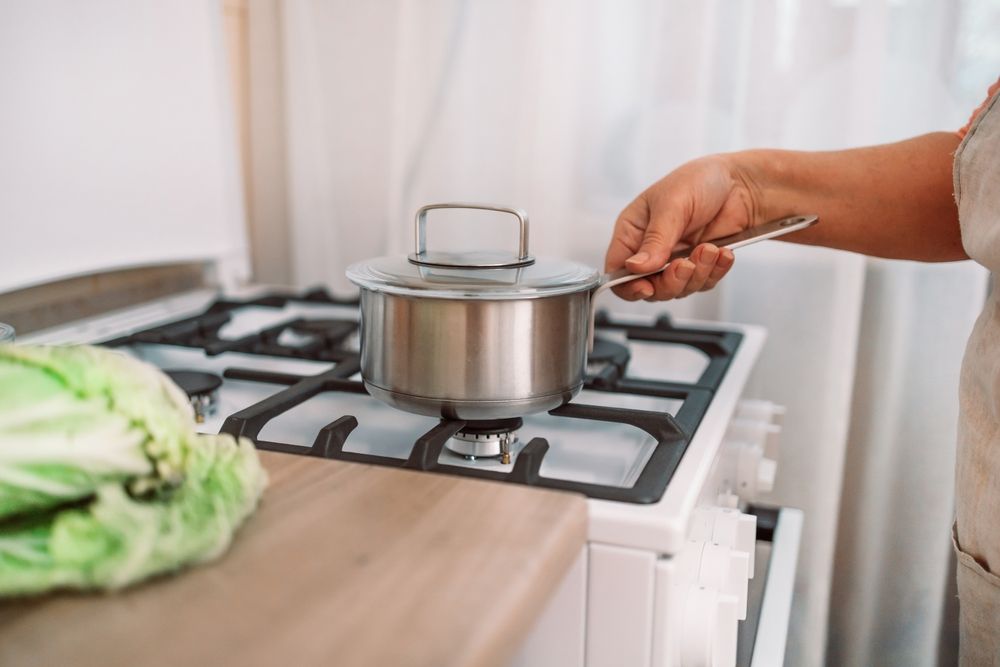
Match the pan to the ring so less gas goes to waste. Image: Shutterstock.
Bleed your radiators
A radiator that is cold at the top has trapped air inside. Bleeding your radiators releases that air so they heat up fully again.
Use your TRVs
A thermostatic radiator valve (TRV) is the numbered dial on the side of a radiator. It controls the temperature of that room only. Turn it down in spare rooms so your boiler mainly heats the rooms you use.
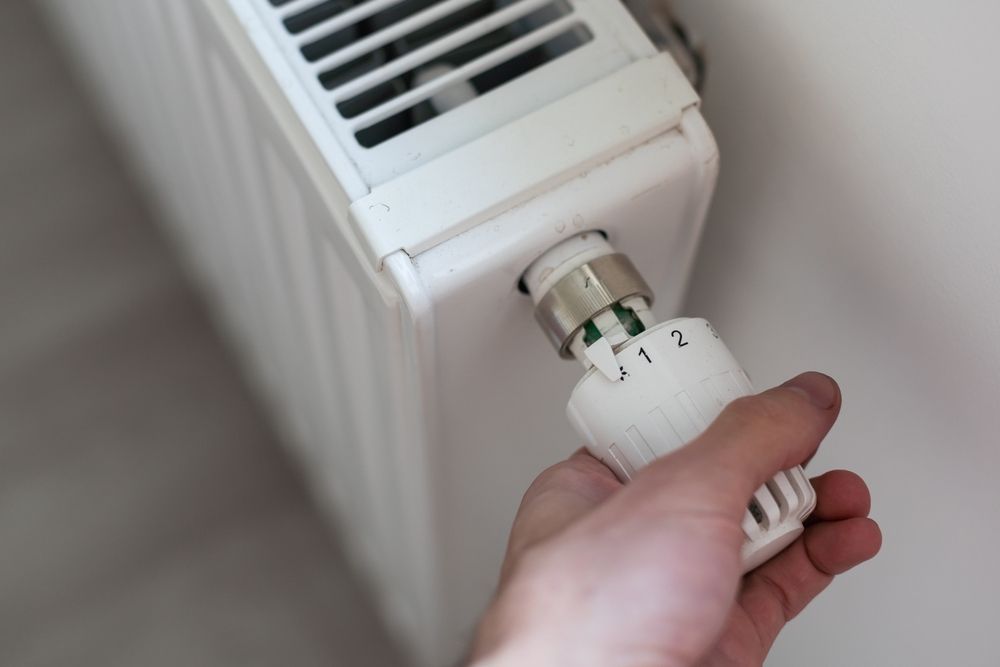
Turning down the TRV in a spare room means your boiler mainly heats the rooms you use. Image: Shutterstock.
Long-term fixes: circulator pumps and heating upgrades
These upgrades cost money upfront but keep cutting your gas use for years.
A circulator pump that suits your system
The circulator pump pushes hot water from your boiler to every radiator. A modern central heating pump, such as the DAB Evosta, adjusts to how much heat your radiators need. Hot water then reaches the furthest rooms as well. Balancing your radiators completes the job. This means adjusting the small valve on each radiator so every room gets an equal share.
The saving: Every room warms evenly, so you no longer turn up the thermostat for the coldest one.
A powerflush and magnetic filter
A powerflush pushes water through your system at high speed to clear out sludge. A heating engineer usually does this in a day. A magnetic filter fitted near the boiler then catches new dirt before it builds up.
The saving: Clean radiators heat up faster, so your boiler runs for shorter periods.
A hot water cylinder jacket and pipe lagging
An insulating jacket is a padded cover that wraps around your hot water cylinder. Foam lagging does the same for pipes in cold spaces, such as the loft or garage.
The saving: Stored water stays hot for longer, so your boiler reheats it less often.
Keep your gas bill down this winter
A high gas bill rarely has a single cause, but most of the waste sits in two places: your boiler settings and how well hot water moves around your home. Fix those, and you use less gas whatever the price cap does next.
Not sure whether your circulator pump is holding your heating back? Our customer service team can help you find the right pump for your system. With the next price cap change due in January, now is a good time to start.
Common questions about high gas bills (FAQs)
Find quick answers to the questions people ask most about high gas bills.