




How does central heating work? Lower your energy bills

High energy bills cause real stress. Heating your house often feels like a costly mystery. It does not have to be this way. By learning how your system operates, you can lower running costs. Think of your boiler as the heat source. Your pipes are the veins. The central heating pump is the beating heart. Read on to discover how central heating works in a typical UK home, and how to save money.
Quick summary
A central heating system pushes hot water from the boiler to your radiators. This warms your rooms efficiently and helps keep bills low. A reliable central heating pump keeps this water moving. Replacing an old pump with a modern high-efficiency model cuts electricity use. This smart upgrade gives you a warmer home and lower energy bills.
The anatomy of a central heating system
Every heating setup relies on a few key parts working together. A simple body analogy makes the technical parts easy to grasp. Once you understand these parts, finding ways to save energy becomes much simpler. This is ideal for homeowners looking to cut daily running costs.
The heat source for your home
The boiler serves as the primary heat source for your home. It creates the heat needed to warm your rooms. You might use gas, oil or electricity.
More and more homes now use a heat pump instead. A heat pump takes natural warmth from the outside air or ground. This lowers carbon emissions and can reduce your bills.
Whatever the source, it must heat water efficiently. This hot water then travels around your home. It provides reliable warmth during cold winters.
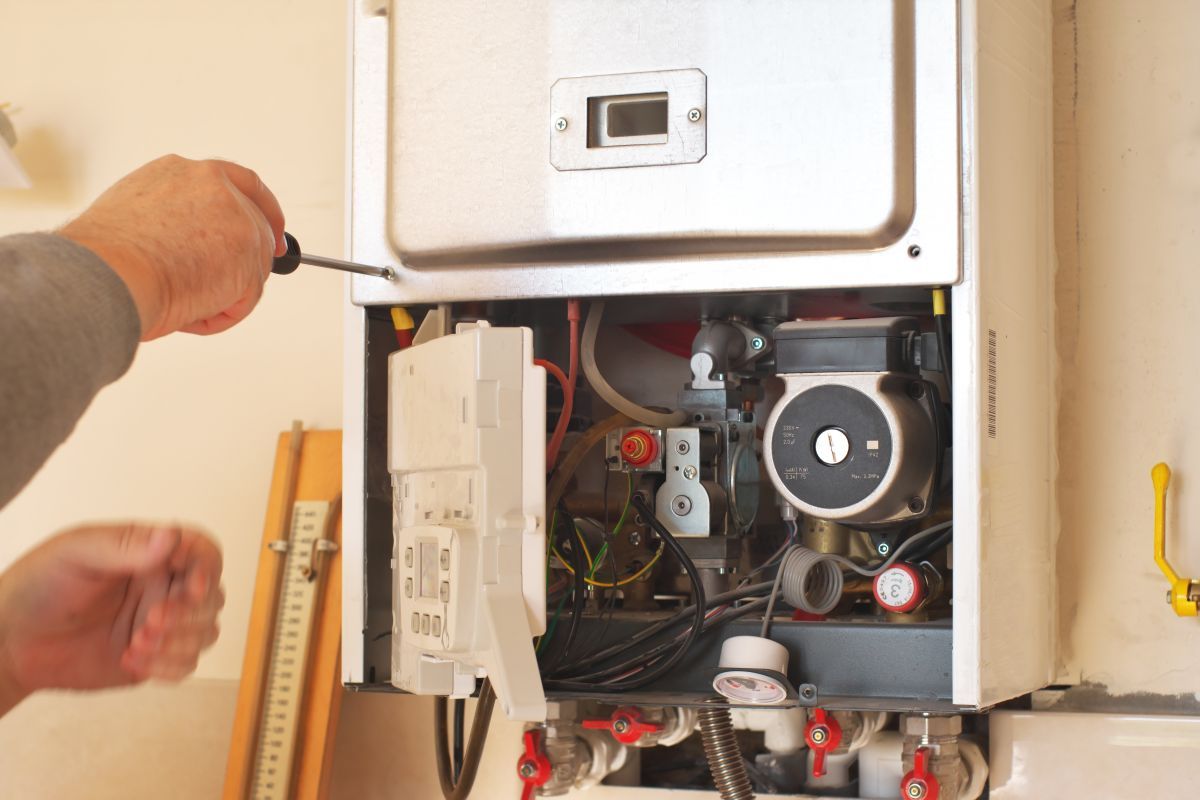
The central heating pump is the beating heart of a heating system. Image: Shutterstock.com
How does a central heating pump work?
The central heating pump is the beating heart of your system. It pushes heated water from the boiler into your pipes and radiators. A reliable pump helps your radiators warm up evenly. A modern pump adjusts its speed to what your system needs. It moves water at the right pace, so the boiler works efficiently.
Older fixed-speed pumps often use 60 to 100 watts. Modern high-efficiency pumps usually need only a fraction of that. Upgrading an old pump therefore cuts your electricity bill.
Popular centreal heating pumps
The veins and radiators
Your pipes act like veins, carrying warm water everywhere. The hot water flows into a central heating radiator in each room. The radiator metal heats up and warms the air. This gives you a cosy living space. Once the water cools down, it returns to the boiler. We call this a continuous loop.
Good insulation on your pipes stops heat loss. This simple step keeps your system running cheaply.
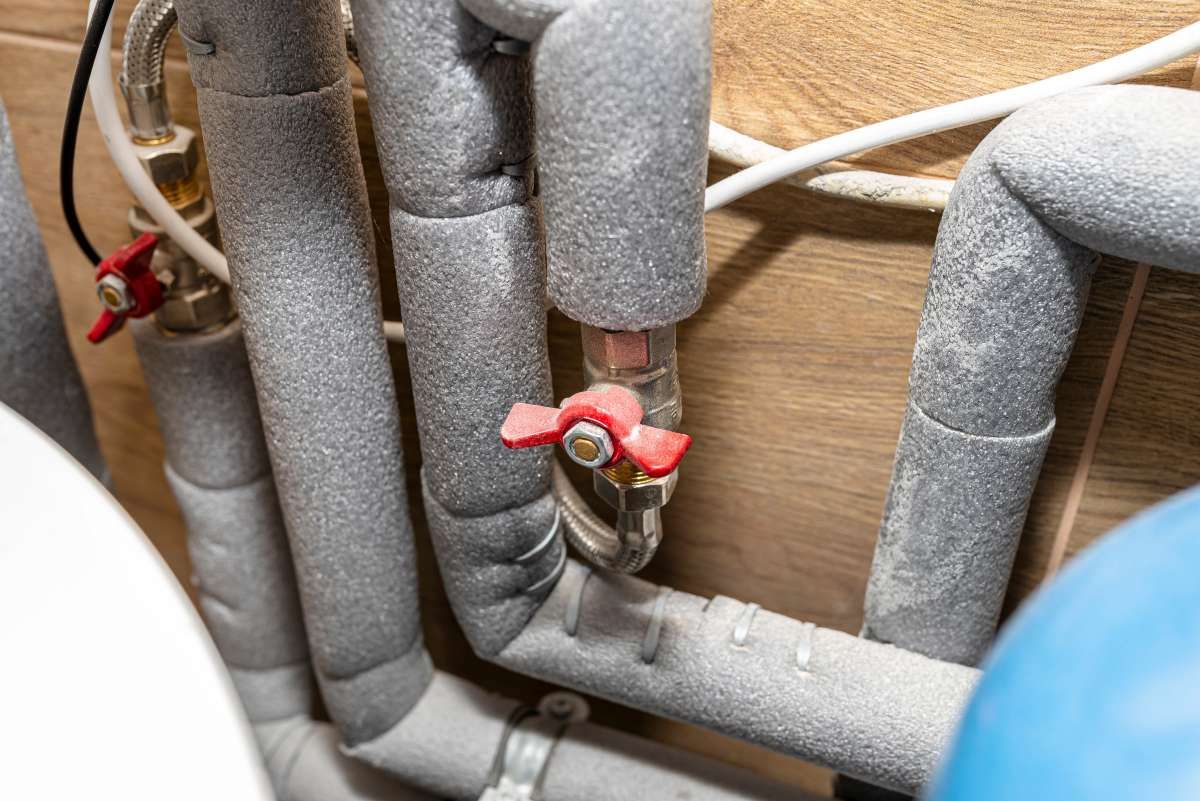
The pipes are wrapped with foam lagging. Image: Shutterstock.com
How does a thermostat work in a house?
Your room thermostat is the brain of the operation. It measures the air temperature in your living room. You set a target temperature to stay comfortable. When the house gets cold, the thermostat turns the boiler on. The pump then starts moving water.
Thermostatic radiator valves are fitted to individual radiators. These smart valves let you control the heat per room. This prevents overheating and cuts your energy costs.
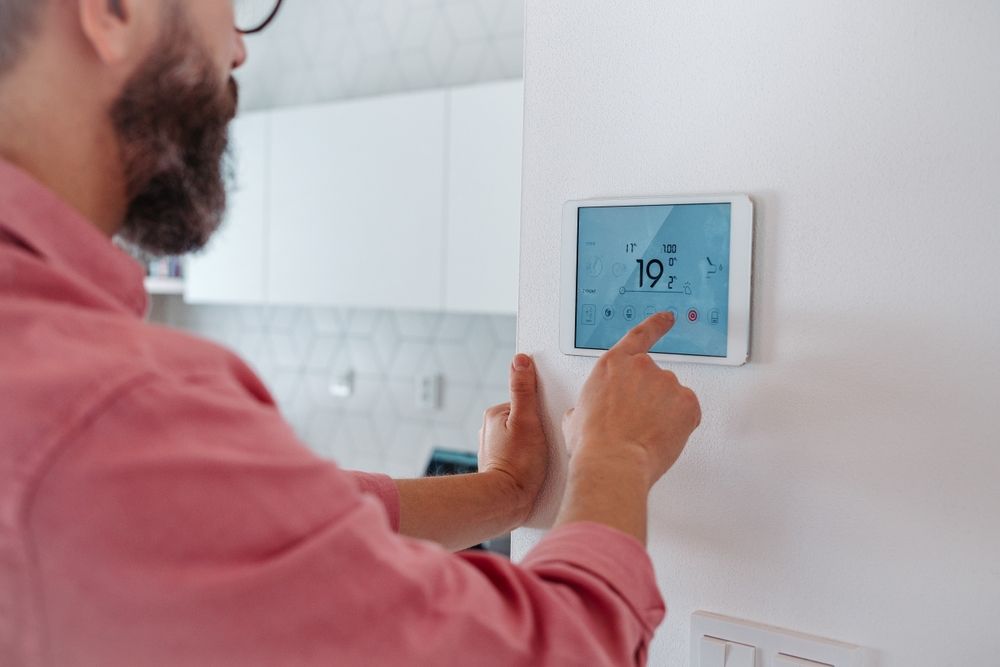
A man is adjusting the thermostat temperature. Image: Shutterstock.com
Step-by-step: How a central heating system works
The heat travels around your home in a fixed cycle. The process follows a logical five-step pattern:
The thermostat measures a drop in room temperature.
It signals the boiler to switch on and heat water.
The central heating pump pushes this water into the pipes.
Hot water flows through the radiators to warm your rooms.
The cooled water returns to the boiler to be reheated.
This continuous cycle repeats until your home reaches the right temperature. A well-maintained system completes this process quickly and quietly.
Central heating system types explained
Homes in our country use a few different setups. Understanding the types of central heating systems helps you maintain yours properly. It also helps you choose the right replacement parts.
How does a combi boiler central heating work?
A combi boiler central heating system is very popular today. It draws cold water straight from the mains supply and heats it instantly on demand. You do not need a separate hot water cylinder, which frees up valuable space in your airing cupboard.
The boiler's internal pump circulates heated water around your radiators. Hot water for your taps comes straight from the mains and is heated as it passes through the boiler.
You never have to wait for a tank to refill, though running two taps at once can reduce the flow. A combi is highly efficient for smaller homes.
How central heating works with a hot water tank
Many homes use a regular or system boiler with a hot water cylinder. The boiler heats water in a closed loop, and a central heating pump sends it to your radiators. It also pushes water through a coil inside the cylinder, heating the water you use at your taps and in your shower. Motorised valves control where the hot water goes. In a regular system, the pump is often a separate unit in the airing cupboard. In a system boiler, it is built in.
This setup is suited to larger households. With an unvented cylinder, you can even run several showers at once with good pressure.
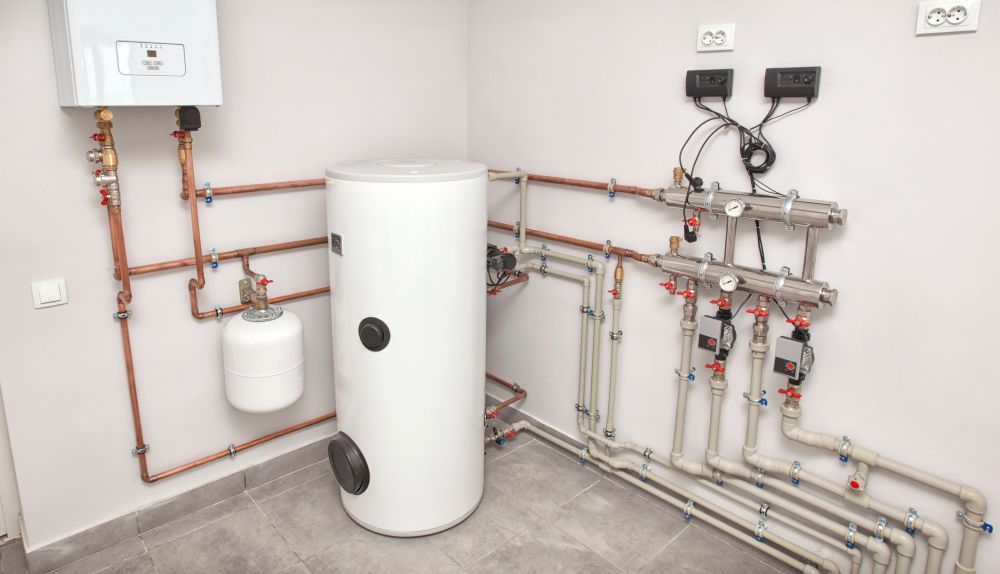
The boiler room with various equipment such as a boiler, heating, pipes and a hot water tank. Image: Shutterstock.com
Heat pumps for sustainable heating
A heat pump offers a brilliant sustainable option. It extracts natural warmth from the outside air or ground. It then raises this warmth to heat your home's water. It produces several units of heat per unit of electricity consumed. This lowers your carbon footprint.
Water still needs to circulate through your radiators or underfloor heating. Because heat pumps work at lower temperatures, good circulation is essential. An efficient pump ensures consistent comfort everywhere.
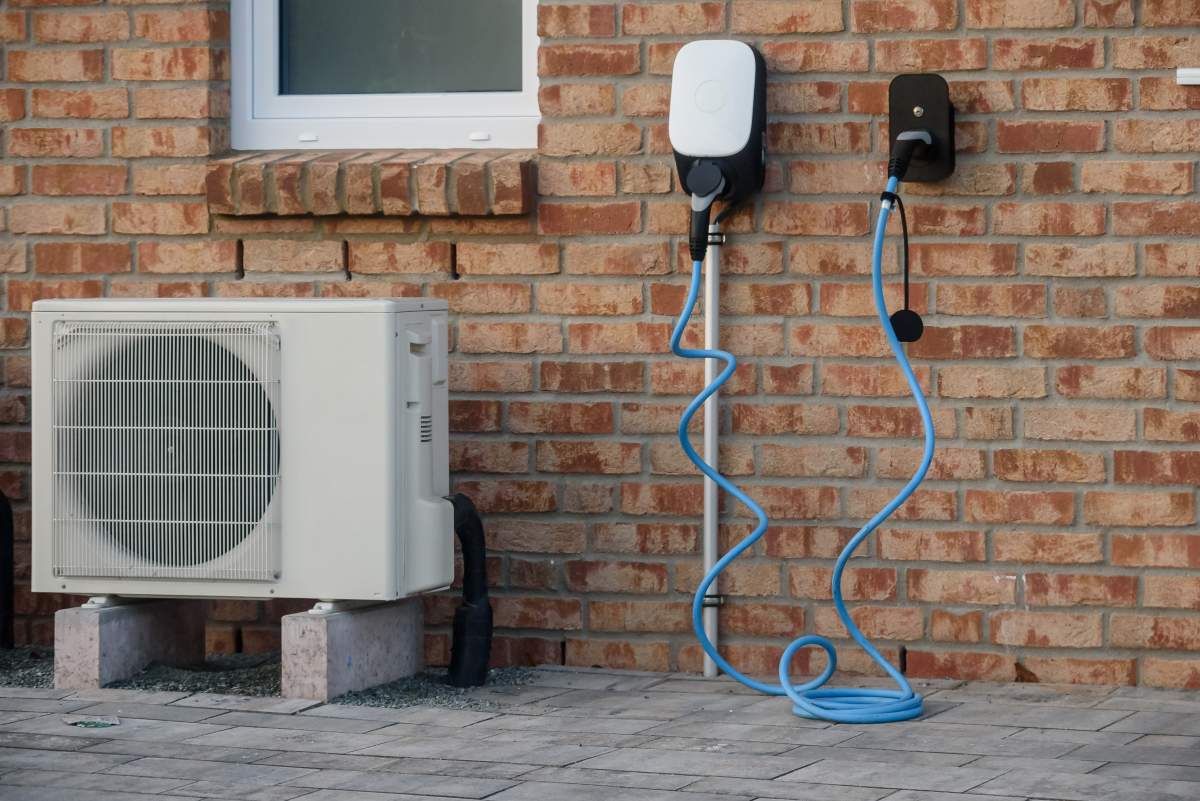
Modern house equipped with energy-efficient solutions, including a heat pump unit. Image: Shutterstock.com
Maximising efficiency to save energy
You can easily reduce your energy bills with smart habits. Let us look at the most common questions about saving energy. Knowing these tricks saves you money every day.
Is it cheaper to run central heating all day?
Many people think leaving the heating on low all day saves money. This is a common myth. Is it cheaper to run central heating all day? No, it is not.
The Energy Saving Trust confirms it is cheaper to heat your home only when you need it. Your home loses heat all the time. Leaving the heating on means you pay to replace the heat you lose continuously.
Set a timer to start the boiler shortly before you wake up.
However, underfloor heating is different. Because concrete floors take a long time to warm up, turning off underfloor heating completely actually uses more energy to warm the house again.
Quick guide
Radiators: Turn them on only when you need them.
Underfloor heating: Keep it running at a steady, comfortable temperature, lowering it by just 1–2°C at night.
What is the most efficient way to heat a house?
The most efficient way to heat a house combines smart controls with good maintenance. Try these simple steps to lower your bills:
Install thermostatic radiator valves to heat only the rooms you use.
Bleed your radiators regularly to remove trapped air.
Upgrade an old pump to a modern high-efficiency model.
Valves and bleeding help you save gas. A modern pump cuts your electricity use. This is ideal for cost-conscious homeowners.
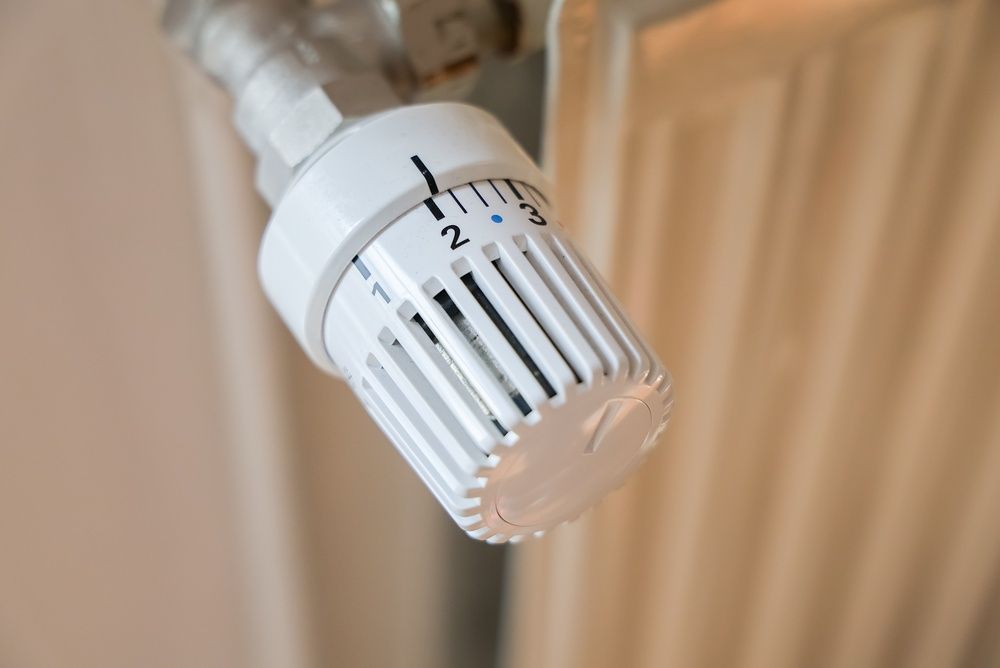
A thermostatic radiator valve regulates room temperature, saves energy and provides home comfort. Image: Shutterstock.com
Is 17 degrees cold for a house?
Many homeowners wonder about the right room temperature. Is 17 degrees cold for a house? It can feel quite chilly for a living room.
The recommended temperature for living areas is between 18 and 21 degrees. For healthy adults, hallways and bedrooms can be set at 16 to 17 degrees.
Older people, young children and anyone with a health condition should keep rooms at 18 degrees or warmer.
For every degree you lower the thermostat, you save money.
The golden rule for heating
A great golden rule to keep in mind is to heat the human, not the home. If you want to cut down on heating costs or need temporary solutions when the heating isn't on, check out this guide to staying warm indoors without turning up the thermostat.
Upgrade your system and save money
Do your radiators take hours to heat up? First, bleed them to remove trapped air. If that does not help, your pump might be worn out. An old central heating pump uses far more electricity than a modern one.
We offer a wide range of reliable circulation pumps at Waterpump.co.uk. Does your pump sit separately in the airing cupboard? Then, replacing it is a fast and cost-effective fix. Does your pump sit inside a combi or system boiler? Then ask a Gas Safe registered engineer to replace it.
Are you unsure which model you need? Just give us a call, we are happy to help.
Frequently asked questions about heating
Do you still have questions about your home heating setup? Read our simple answers to common questions below.