




How to stay warm without heat: 10 simple tips
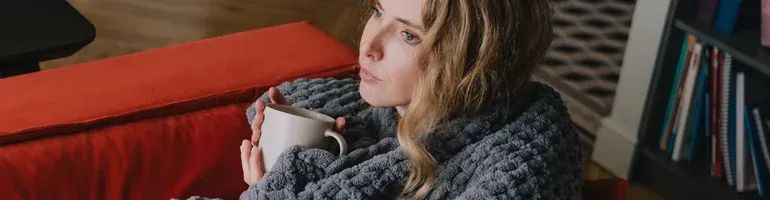
Is your house freezing because your heating stopped working? A cold home turns a normal evening into a miserable one. Do not panic. You can stay warm indoors without gas or central heating. These ten simple tips work straight away. You will also learn how to protect your plumbing and check your pump.
Quick summary
Layer your clothes to trap body heat. Warm meals and hot water bottles keep you warm. Thermal curtains and draught excluders help retain heat in one room. Let taps drip overnight, as moving water freezes more slowly. If the power is still on, check your central heating pump too.
Golden rule: heat the human, not the home
Start with your own body instead of the whole house. Warming one person costs you almost nothing, while warming every room costs a fortune.
The three tips below need no power at all, so they work during a power cut too.
1. Master the art of layering clothes
Dress in three layers to trap warm air against your skin.
Your base layer should fit snugly and wick sweat away from your body. Damp skin cools quickly, so this layer does most of the work.
Add a fleece or wool mid layer on top to hold the warm air in place.
Finish with a closed outer layer if your house is draughty. Your head, hands and feet lose heat first. Wear thick wool socks and keep a hat on, even indoors.
Layering beats any single thick jumper, since the trapped air between layers does the insulating.
2. Eat warm food and drink warm liquids
Your body makes heat when it digests food. Protein produces the most heat, so eggs, beans, fish, and meat help more than a fatty snack. A hot soup or stew warms you twice, first through the steam and then from within.
Keep a thermos of hot water beside your chair for a warm drink without boiling the kettle again.
Eat smaller meals more often instead of one large meal, because a steady supply helps keep your core temperature stable. This works best in the evening, when body temperature naturally drops.
3. Use hot water bottles and wearable warmers
A hot water bottle is still the cheapest heater in the house. Thick rubber releases its heat slowly, so one bottle stays warm for several hours.
Place it under a blanket near your feet rather than on your lap. Your feet cool down first, and warm feet make your whole body feel warmer.
Never fill a bottle with boiling water, as it can damage the rubber and cause burns.
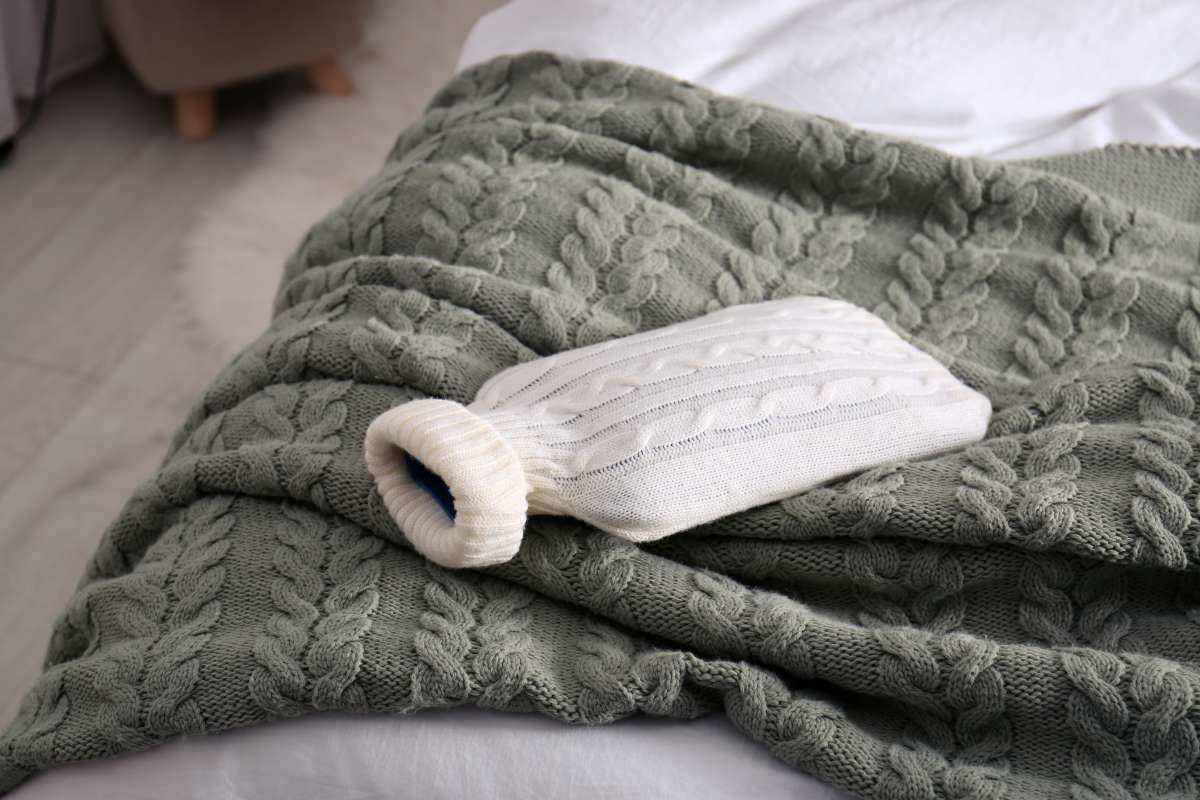
Hot water bottle with a knitted cover on a bed. Image: Shutterstock.com
How to stay warm without heat overnight
Sleeping in a cold house takes preparation. Your body temperature drops while you sleep, so the bed has to do the work.
4. Optimise your bedding for warmth
Build your bed in layers, exactly like your clothing.
Start with a flannel fitted sheet, because cotton feels cold against your skin.
Add a wool blanket, then your duvet, then a second blanket on top. Check the tog rating of your duvet before you buy one, since a higher tog holds more warm air. For a freezing bedroom, look for a 13.5-tog or higher rating. A camping sleeping bag under your duvet traps even more heat.
Wear a hat and socks in bed, because your head and feet lose heat all night.
Put a hot water bottle in an hour before bedtime, so the mattress warms up first.
How to keep a room warm without gas
You now need to hold on to the heat you already have. Close every internal door and pick one room to live in. A smaller space warms up faster and stays warm longer.
5. Trap heat with thermal curtains and blinds
Cover your windows completely, because glass loses heat faster than any wall. Thermal curtains have an insulating backing that blocks heat loss. Heavy fabric also stops cold air from dropping down into the room.
Open your curtains on sunny days, so free sunlight warms the room for you. Close them the moment the sun sets, because most heat escapes in the first hour of darkness. Older houses with single glazing gain the most from this.
No thermal curtains at hand? Tape bubble wrap to the glass, since the trapped air works the same way.
6. Block cold air with DIY draught excluders
Stop cold air from sneaking in under doors. Draught excluders are simple fabric barriers. They seal the gap at floor level perfectly.
Focus on exterior doors and the doors of the room you are using. A draughty hallway pulls warm air out of your living room all day.
Roll up an old bath towel tightly
Push it firmly against the gap under the door
Check wooden window frames for leaks and seal them with tape
Do not block air vents, because you still need ventilation
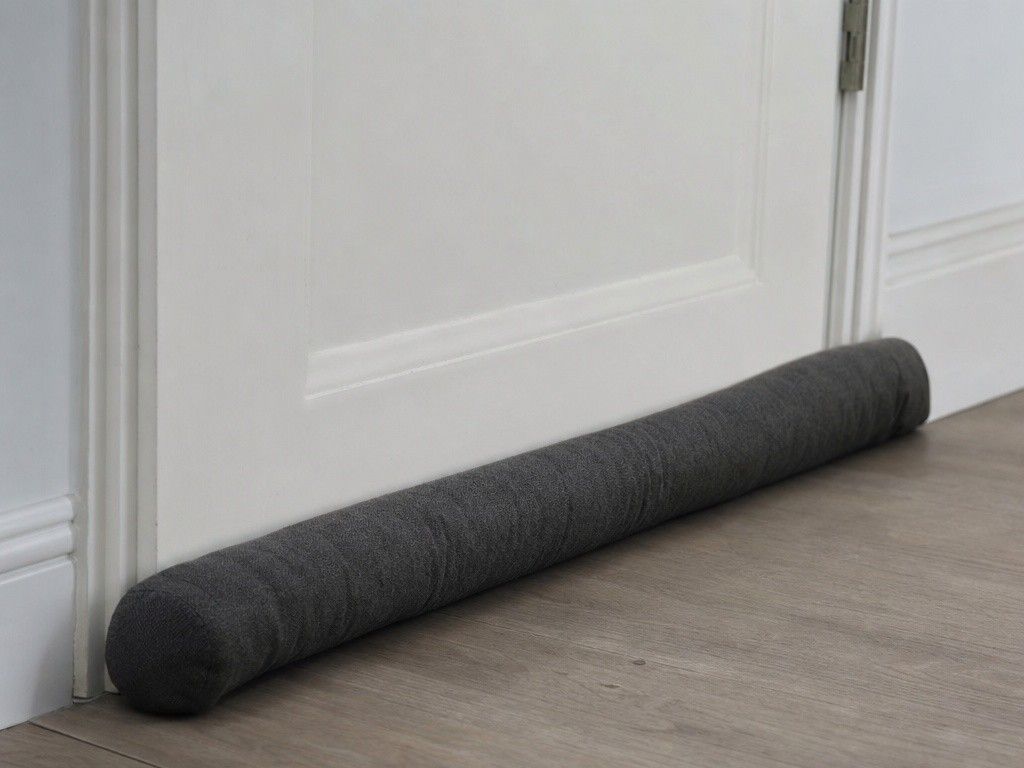
A draught excluder under the door to block cold air. Image: Shutterstock.com
7. Try the tent inside a house method
It may sound silly, but set up a camping tent in your living room.
A small enclosed space fills with your own body heat in minutes, and the nylon fabric blocks every draught. The result is a warm pocket inside a cold house.
Lay down sleeping bags, blankets, and a camping mat because the floor pulls heat away from you. A pop-up tent takes two minutes to set up. This works especially well with children during a long power cut, since it feels like an adventure rather than an emergency.
No tent? Drape a sheet over a table and add blankets.
8. Reverse your ceiling fan (if you still have power)
This tip only works when your electricity is still on.
Warm air always rises to the ceiling, where nobody feels it. Set your ceiling fan to spin clockwise at the lowest speed, and it pushes that warm air back down along the walls. You get a gentle downdraft instead of a cooling breeze. The room then feels warmer without any extra heating.
Use this whenever you run a separate heater or after cooking, because that is when the warmest air is sitting above your head. Rooms with high ceilings gain the most.
Safe alternative heat sources
You can add a little heat indoors, but safety comes first. Every year people are hurt by improvised heating, so read tip 10 before you try anything.
9. Use safe indoor heating options
Leave the oven door open after you finish cooking, because that residual heat would otherwise go to waste. It warms the kitchen for a while, so plan to sit there after dinner. Keep the door open only once the oven is switched off, and keep children and pets away.
Candles add a little heat and a lot of comfort. Place them in deep glass jars on a stable surface, well away from curtains. Never leave a candle burning in an empty room, and never sleep with one lit.
10. Know what not to do with indoor heaters
Never bring outdoor heating equipment inside. Patio heaters, camping stoves, and barbecues all produce carbon monoxide, an invisible, odourless gas. In a closed room, it builds up quickly and can kill within hours. This applies to every unventilated combustion heater, whatever the label promises. Do not run a gas oven with the door open to heat a room, as it poses the same risk.
Fit a carbon monoxide alarm if you do not have one, since it costs less than a takeaway.
Stick to blankets, layers and hot water bottles instead. They are slower, but they are safe.
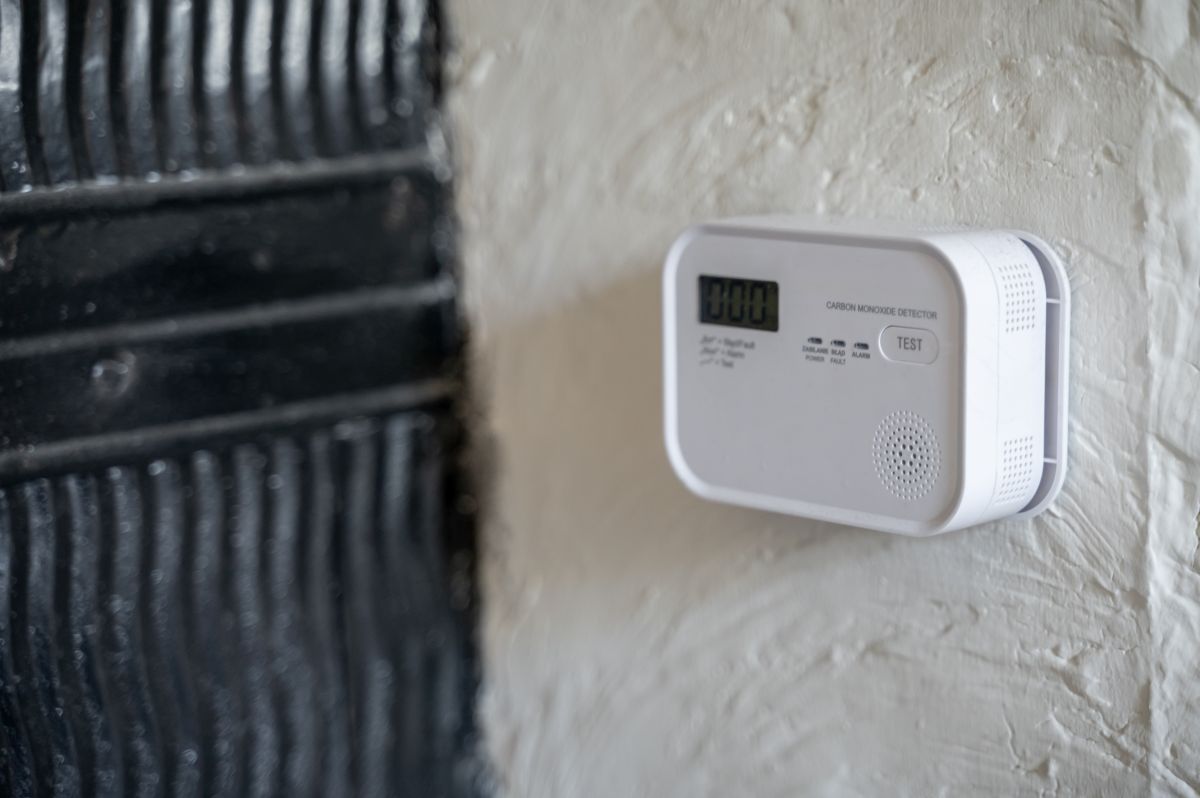
Carbon monoxide detector mounted near a stove. Image: Shutterstock.com
How to keep pipes from freezing
Cold weather threatens your plumbing heavily. A burst pipe costs far more than a cold weekend. Protect your system before going to bed.
Let your taps drip slightly overnight. Moving water freezes much more slowly than still water. A drip relieves the pressure behind an ice plug. Open your kitchen and bathroom cabinet doors. Warmer room air can now reach the pipes. Wrap any exposed pipes in foam lagging.
One important detail: this only protects pipes fed from the mains. Your central heating circuit is closed, so you cannot drip it. It stays frost-free because your central heating pump keeps warm water moving. Once the pump stops, the water stands still and cools. If a long power cut is coming, ask a plumber about draining the system or adding antifreeze.
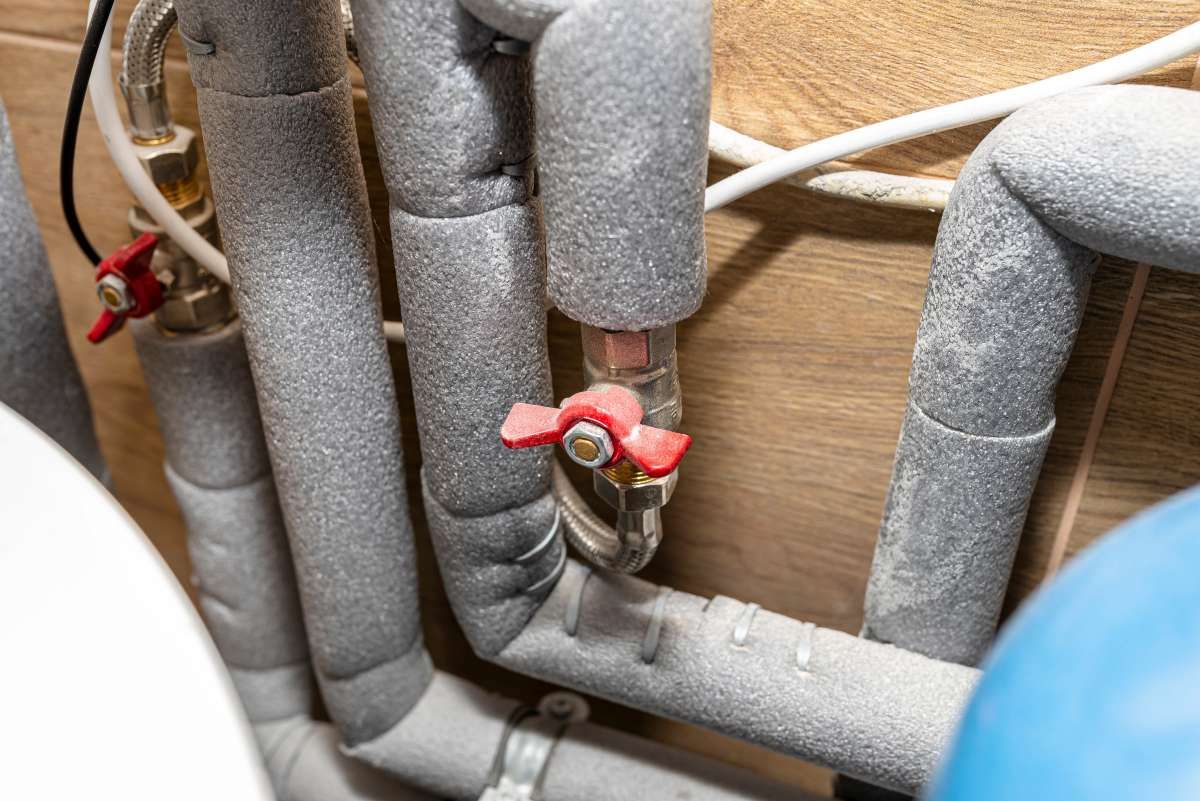
The pipes are wrapped with foam lagging. Image: Shutterstock.com
Is your heating off, but the power still on?
Your central heating circuit is a closed system. It stays frost-free because the central heating pump keeps water moving. If your radiators stay cold but the boiler runs, check the pump.
Without flow, your boiler heats water that never reaches your rooms. Look out for these common signs:
Your boiler fires up, but the radiators stay cold.
You hear a humming noise near the boiler.
The pump body feels hot, but the pipe stays cool.
A failed pump is a common cause of a cold house. Replacing it costs a fraction of the cost of a new boiler. Browse our central heating pumps to quickly compare models.
Call our experts, and we will help you find the right match.
Stay warm and protect your home
A cold house is frustrating, but you are not powerless. Layer your clothes, eat warm meals and keep one room sealed and warm. Let your taps drip overnight, so your plumbing survives the frost.
And if your power is still on while your radiators are not, check your central heating pump before you assume the worst.
Not sure what you are looking at? Send us a photo of your pump or give us a call, and we will tell you what you need.
Frequently asked questions
Here are the questions we hear most often during a cold snap.