




Flooded basement? Immediate steps, clean-up, and prevention
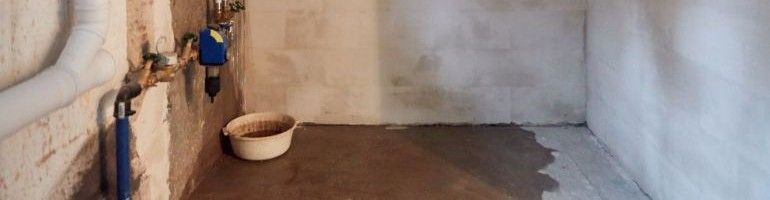
Standing in front of a flooded basement is stressful. You worry about ruined belongings, electrical hazards, and expensive damage. Please do not panic; you can take control right now. Simple, fast tools remove the water safely. Here are the exact steps to protect your home.
Quick summary
Turn off the electricity before entering the water to ensure your safety. Use a submersible water pump to drain the floodwater quickly and efficiently. Once the area is dry, install a reliable sump pump to reduce the risk of future floods. Proper drainage helps stop water from damaging your home again.
Immediate action for a flooded basement
Follow these three steps to protect yourself and limit the damage.
Step 1: Safety first
Never walk into a flooded room without checking the power first. Water and electricity are a deadly mix. You must turn off the main power supply from your utility box. This is often a prominent red switch.
If you cannot reach the box safely, call a qualified electrician immediately. Standing water near electrical wiring is a severe hazard.
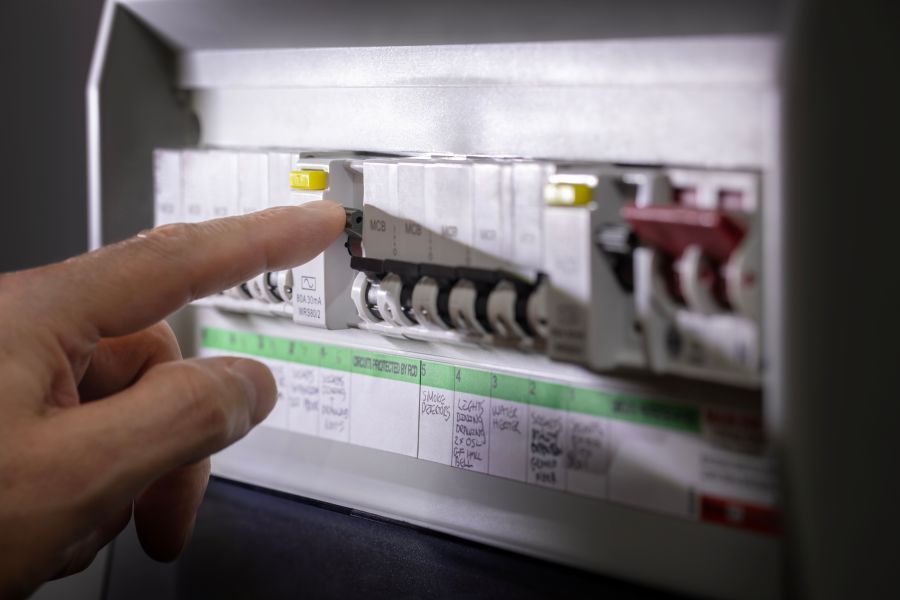
In the event of flooding, first switch off the emergency switch in the utility box. Image: Shutterstock.com
You must also check for a strong smell of gas. If you smell gas, leave the property immediately and call the National Gas Emergency Service on 0800 111 999. Keep children and pets far away from the affected area.
Once the power is off, wear protective rubber boots and waterproof gloves. This gear keeps you safe from contaminated water and sharp debris.
Your safety is always the top priority during a basement flood. Only proceed once you are sure the area is safe.
Step 2: Stop the source of the water
Find out where the water is coming from to stop it. If a burst internal pipe is the cause, turn off your main valve. You can usually find this stopcock valve under your kitchen sink. This simple action stops the water flow and limits further damage.
Are you seeing water leak into your basement after heavy rain? You might have blocked outdoor drains or overflowing gutters. Clear leaves and debris from your drains to let water flow away. If groundwater is pushing through cracks, you cannot stop it instantly. In that case, focus on removing the existing water first. This helps to minimise the overall structural damage to your home. Never attempt to unblock a drain if the water contains raw sewage.
Step 3: Document the damage for insurance
Take clear photos and videos of the damage before you clean up. Your insurance company needs this evidence to process your claim smoothly.
Take photos of the highest water level on the walls.
Record videos of any visible foundation cracks or leaks.
Keep samples of damaged carpets if you must remove them.
Make a list of all affected items and gather their receipts. This preparation speeds up the payout process significantly. Many home insurance policies cover sudden accidental leaks or burst pipes, but rising groundwater might require specific flood cover. Check your policy details carefully before making a claim. Do not throw away damaged items until the loss adjuster allows it.
How to clear a flooded basement fast
The right tool depends on how much water is left, so here are the two best options.
Using a submersible water pump or puddle pump
A submersible pump is your best tool for a flooded basement. It operates directly in the water for fast, efficient removal.
If the water is shallow, choose a specialised puddle pump instead. This device features low-level suction, leaving your floor almost completely dry. It removes water down to just two millimetres, saving you hours of mopping. Many models include a built-in float switch. The float switch automatically turns the pump off when the water drops. This feature provides dry-run protection, preventing the motor from burning out.

Use a submersible pump to clear water from a flooded basement. Image: Waterpump.co.uk
Connect a discharge hose to the pump and direct the water outside. If the floodwater is clean rainwater, you can pump it into a water butt instead. This saves water for garden irrigation during drier months. It also prevents clean rainwater from overwhelming the local drainage network.
The most popular puddle pumps
Using a wet vacuum for shallow water
A wet vacuum is perfect for small puddles and lingering moisture. Use it once the main water level has dropped. This machine sucks up dampness from uneven floors and tight corners. It prevents water from soaking into walls and causing serious damp issues. Look for a vacuum with a large tank capacity for fewer emptying trips. Empty the tank frequently to keep the suction running efficiently. Make sure you plug it into a safe, completely dry socket.
Combining a puddle pump with a wet vacuum gives the most thorough results. Your home will be dry, clean, and safe much quicker.
Drying out and cleaning up
Once the water is gone, drying and cleaning up prevent long-term damage to your home.
How long does drying out take?
Drying out a flooded basement takes time, usually several days. The exact timeline depends on the ventilation and the total water volume.
Please act quickly to prevent toxic mould from growing. Open all windows and doors to let fresh air circulate inside. Set up industrial fans and heavy-duty dehumidifiers to speed up drying. A dehumidifier extracts moisture from the air, protecting walls from damage. Close all internal doors when running a dehumidifier for maximum efficiency.
Remove all wet carpets, cardboard boxes, and fabric items immediately. If plasterboard is soaked, you might need to cut it away entirely. This allows the inner wall cavities to dry completely. Never paint over a damp wall, as this traps moisture inside.

Basement mould signals moisture. It can cause health issues and structural damage. Image: Shutterstock.com
Can a flooded basement make you sick?
Yes, standing water poses serious, immediate health risks to your family. Acting quickly prevents toxic mould from taking hold. Mould spores can trigger asthma, allergies, and respiratory problems. Floodwater also often contains harmful bacteria, harsh chemicals, or raw sewage. Always wear a face mask, rubber gloves, and safety goggles during clean-up.
Wash your hands thoroughly with antibacterial soap after handling wet items. Disinfect all hard surfaces with a strong bleach solution afterwards.
If the water smells foul, it might contain raw sewage. In that case, hire a professional restoration service for safety. Professionals have the right products to sanitise porous materials thoroughly.
Why did your basement flood?
Understanding the cause helps you prevent the same flood from happening again.
Heavy rainfall and hydrostatic pressure
UK weather brings frequent, sometimes intense rainfall. When the ground absorbs too much rain, it creates hydrostatic pressure. This pressure pushes hard against your underground foundation walls. Clay-heavy soil holds onto rainwater, making this pressure worse. Over time, the force can push water through tiny cracks in the brickwork. This is a common cause of basement water ingress during winter. Saturated ground cannot drain surface water fast enough. Managing this pressure helps keep your home dry and safe.
By directing rainwater away, you reduce the strain on your foundation. Proper landscaping helps stop water from pooling near your walls.
Sump pump failure and blocked drains
A sump pump failure often happens during a power cut. Your pump requires a constant power supply to remove rising groundwater. If the power fails during a storm, the pump stops working. Mechanical faults or a blocked float switch can also cause failures. The float switch normally turns the pump on, giving hands-free flood protection.
Always test your pump system before the winter rains arrive. Blocked outdoor drains also cause major water issues for homeowners. Leaves and debris clog the pipes, sending rainwater back towards your house. Keep your gutters and exterior drains clear all year round. Consider installing gutter guards to prevent leaves from clogging the gutters.
Long-term waterproofing and prevention
A few permanent upgrades keep your basement dry for years to come.
Installing a drainage and pump system
A solid plan stops water from returning again and again. Installing a reliable drainage system helps keep your basement safe and dry.
Clear your gutters and exterior drains at least twice a year.
Install a water butt to collect excess rainwater safely.
Ensure the outdoor ground slopes away from your home walls.
Extend your downspouts so they empty further into your garden.
French drains outside guide surface water away from your walls. Inside, a dedicated sump pit with a submersible pump handles any water that gets through. Look for a model with a high flow rate for maximum performance so that it can drain large volumes quickly.

Install a water butt pump to safely collect excess water. Image: Waterpump.co.uk
Adding a battery backup keeps the pump running during power cuts, which is useful if storms tend to knock out your electricity. Modern pumps also use less electricity than older models, so they cost less to run.
For extra protection, a cavity drain system or a waterproofing membrane can keep moisture out of the walls, and non-return valves stop sewage from flowing back into your home when the public sewer network is overwhelmed. Good drainage significantly reduces the water strain on your walls and helps protect your property over time.
Keep your home dry and safe
Dealing with a sudden flood is stressful and tiring. You are not alone in this, and quick action limits the damage. Long-term solutions like proper drainage and waterproofing give you real peace of mind. Not sure which pump suits your situation? Use our choice guide or contact our team, and we will help you choose the right solution today.
Frequently asked questions
Here are clear answers to common questions about basement floods. We help you understand the risks and the best recovery methods.