




How to stay warm this winter: 12 tips for a warmer home

Is your home chilly, even with the heating on? When warmth escapes, your energy bill climbs quickly. These 12 practical tips show how to stay warm this winter without wasting heat. You learn how to stop draughts, use your heating smarter and fix cold radiators. Most tips cost little, and many take less than an hour.
Quick summary
Seal draughts and insulate your loft, walls and pipes. Let sunlight in by day and close your curtains at dusk. Set your thermostat to 18 to 21°C, use a timer and lower your boiler's flow temperature. Bleed your radiators, and check for sludge or a worn central heating pump if rooms stay cold.
1. Seal draughts around doors and windows
Cold air finds its way in through every small gap. On a windy day, feel for cold air near doors, windows and skirting boards. Most gaps are cheap and easy to seal:
Fit draught strips around doors and window frames.
Add a brush to your letterbox and a cover over the keyhole.
Seal the edges of your loft hatch with foam strips.
Block an unused chimney with a chimney balloon. Leave the warning tag visible, so you remember to remove it before lighting a fire.
On wooden or tiled floors, an under-door seal works better than a brush strip. It fixes to the bottom of the door and closes the gap fully. For a hallway that always feels cold, hang a thick, lined curtain over the front door.
Never block air bricks or trickle vents. Your home still needs fresh air to prevent damp and mould.
2. Insulate your loft, walls and floors
In an uninsulated home, about a quarter of the heat escapes through the roof. Loft insulation is one of the best long-term fixes. The recommended depth is 270 mm. If yours is thinner, a top-up layer soon pays for itself. Lay the second layer across the first, so no gaps remain.
Walls lose even more, roughly a third of the heat. Many houses built after the 1920s have a gap between two brick layers. Filling this cavity keeps far more warmth inside. Older homes often have solid walls. These need internal or external insulation. It costs more, but saves a lot of heat.
Under a suspended wooden floor, cold air moves freely. Insulation between the joists stops that draught from below. Fill gaps between bare floorboards with a flexible filler, or lay a thick wool rug.
Check your energy performance certificate (EPC) first. It lists the improvements that suit your home. In England, homes rated D to G may qualify for free upgrades through the Warm Homes: Local Grant.
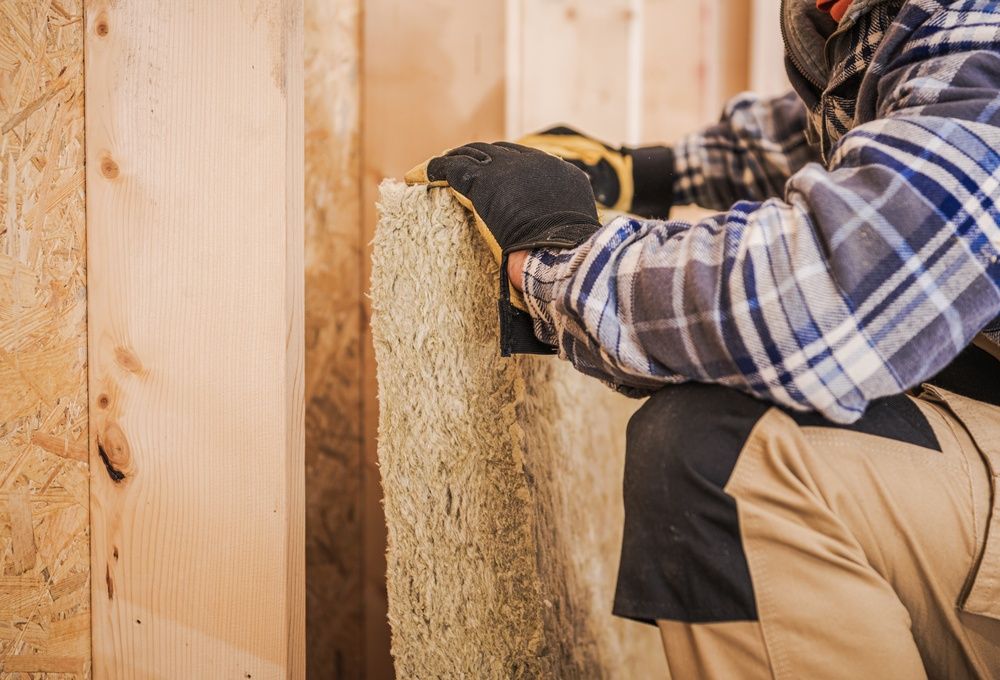
Topping up loft insulation to 270 mm keeps far more heat inside your home. Image: Shutterstock.
3. Lag your pipes and hot water cylinder
Hot water loses heat on its way through cold lofts, garages and cellars. Wrap those pipes in foam lagging. You can buy it at any DIY shop and fit it without tools. Lagging also helps stop pipes from freezing.
Some homes store hot water in a large tank, often in an airing cupboard. Wrap this tank in an insulating jacket, a padded cover sold at any DIY shop. Choose one at least 80 mm thick. Your water then stays hot for longer, so the boiler fires up less often.
4. Let the sun in and close curtains at dusk
Open your curtains and blinds in the morning, especially on south-facing windows. Close them around 3 pm in midwinter, before the sun sets. The heat you gained then stays inside.
Lined or thermal curtains hold far more heat in than thin ones. Let them hang just above the floor, not over a radiator.
Older windows with just one pane of glass lose a lot of heat. Window insulation film is a cheap fix. You stick this clear sheet over the frame and tighten it with a hairdryer. The layer of air it traps keeps more warmth inside.

Let the sun in by day, then close your curtains at dusk to keep the heat inside. Image: Shutterstock.
5. Keep radiators clear and add reflector panels
A sofa in front of a radiator soaks up heat meant for the whole room. The same goes for airers full of washing and long curtains. Move them away, so warm air can circulate freely. If furniture always blocks your radiators, it may be worth comparing underfloor heating and radiators for future upgrades.
On outside walls, part of the heat disappears into the brickwork. Fit radiator reflector panels behind those radiators. They send heat back into the room instead of into the wall. They cost little and take minutes to fit.
6. Set the right temperature and use a timer
Set your thermostat to 18 to 21°C. Every degree lower helps you reduce your heating costs. Use a timer to heat the house only when you are home. Let it start about half an hour before you wake up or come home. Underfloor heating is the exception, because it takes a few hours to warm up. It works best when it runs low and steady all day.
A smart thermostat goes further, because you control it from your phone. Some models switch off automatically when everyone has left. Others learn how quickly your home warms up.
7. Use radiator valves to heat the rooms you use
The numbered dials on your radiators are thermostatic radiator valves (TRVs). They control the temperature of each room separately. Set them to 3 or 4 in the rooms you use most. Upstairs, 2 or 3 is often enough, because warm air rises.
Turn the valves down in spare rooms and keep those doors closed. You then stop paying to heat rooms nobody uses.
Don't fit a TRV in the same room as your wall thermostat. The two controls then work against each other.
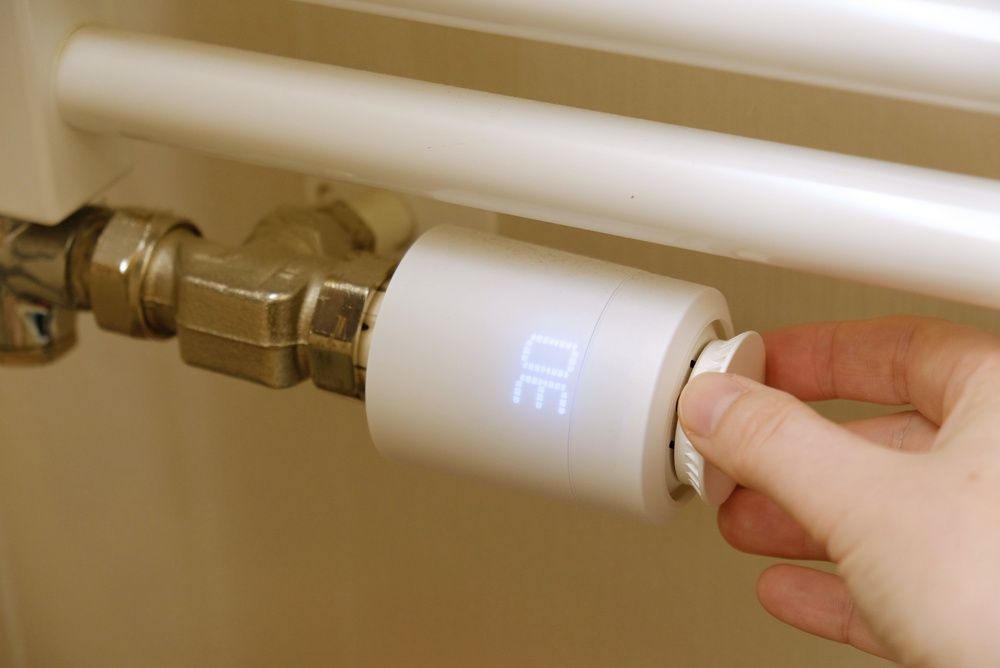
A smart radiator valve lets you set the temperature of each room separately. Image: Shutterstock.
8. Lower your boiler's flow temperature
The flow temperature is how hot the water is when it leaves the boiler. Many combi boilers run at 75 to 80°C. Around 60°C often heats your home well and uses less gas. Your radiators feel a little cooler, but the room still gets warm.
With a hot water cylinder, ask a heating engineer before you change this setting. Stored water must reach 60°C regularly to stop Legionella bacteria from growing.
9. Service your boiler and stay safe
Book a boiler service every year with a Gas Safe registered engineer. In the UK, only engineers on the official Gas Safe Register may legally work on gas boilers. Ideally, book the service before the cold sets in. A serviced boiler works more efficiently and breaks down less often. Check the pressure gauge now and then too. Most systems need about 1 to 1.5 bar when cold.
Fit a carbon monoxide alarm near your boiler. This invisible, odourless gas can kill within hours.
10. Bleed your radiators
Air trapped in a radiator takes up space that hot water should fill. The top stays cold, so the radiator gives off less heat. Your boiler keeps burning gas, but part of that heat never reaches the room. Bleeding lets the air out, so the whole radiator warms up again.
At the start of winter, feel the top of each radiator. A cold top or a gurgling sound means it's time to bleed a radiator. It only takes a radiator key and a few minutes.
11. Fix radiators that stay cold
A cold radiator leaves the room chilly, however high you set the thermostat. Where the cold sits tells you what to do:
Cold at the bottom: sludge has built up inside. A heating engineer can flush the system.
Whole radiator cold: the pin in the radiator valve may have stuck over summer. Remove the valve head and gently push the pin until it springs back.
Far rooms cold, rooms near the boiler hot: slightly turn down the capped valve (the lockshield) on the hottest radiators. More hot water then reaches the cold rooms.
12. Check your central heating pump
The central heating pump pushes hot water from the boiler to every radiator. It's a key part of how central heating works. When the pump weakens, hot water moves too slowly. Rooms far from the boiler stay lukewarm, and the house takes longer to warm up. Watch out for humming near the boiler, or radiators that heat up slower than last winter.
A pump more than 10 years old is often worth replacing. A modern, energy-efficient central heating pump adjusts its speed automatically, so every room gets enough hot water. It also uses far less electricity than an old pump.
If your heating stops completely, you can still stay warm without heating until the repair is done.
Upgrade to an energy-efficient central heating pump
Need help choosing the right pump?
Not sure if your pump needs replacing, or which model fits your system? Send a photo of your current pump to our customer service team. Make sure the label with the brand and model is readable. We check the size and connections, and tell you which replacement fits.
You can also check which central heating pump you need yourself in a few simple steps.
Common questions about staying warm in winter (FAQs)
Find quick answers to the questions people ask most about keeping their home warm in winter.